
House of Pokies and the offshore market an Australian player is being funnelled into
Every punter who has typed “house of pokies” into a search bar has, by the time the results render, been walked into a funnel. The site promises a familiar shape — pokies, a sign-up bonus, free spins, a withdrawal button — and the assumption behind it is that this is just another online casino. It is not. The shape looks the same because the offshore operators who run it have spent the last decade copying the surface of the licensed Australian wagering market and stripping the substance out. What is left, for the player who treats it as comparable, is a bill that arrives on the other side of the first withdrawal attempt. The comparison on this page is built around that bill — eleven brands the Australian Communications and Media Authority has acted against, the blocking round that takes new sites offline each month, the payments rails that work and the ones that do not, and the one casino rule that no offshore operator can offer: protection from itself.
Current as of 9 November 2026 · verified against the ACMA’s published enforcement notices.
Table of Contents
- The eleven brands the ACMA has warned over offering prohibited services
- What the ACMA actually prohibits, and what it does not
- The blocking round, and what the rate means
- Responsible play, and what an offshore site cannot offer
- How money moves in and out, and where it stalls
- Bonuses, free spins, and the arithmetic no bonus page runs
- The mobile and app layer
- Games, providers and the live tables
- The case each operator makes — and the case it does not
- What an Australian player is actually choosing between
- Frequently asked questions
The eleven brands the ACMA has warned over offering prohibited services
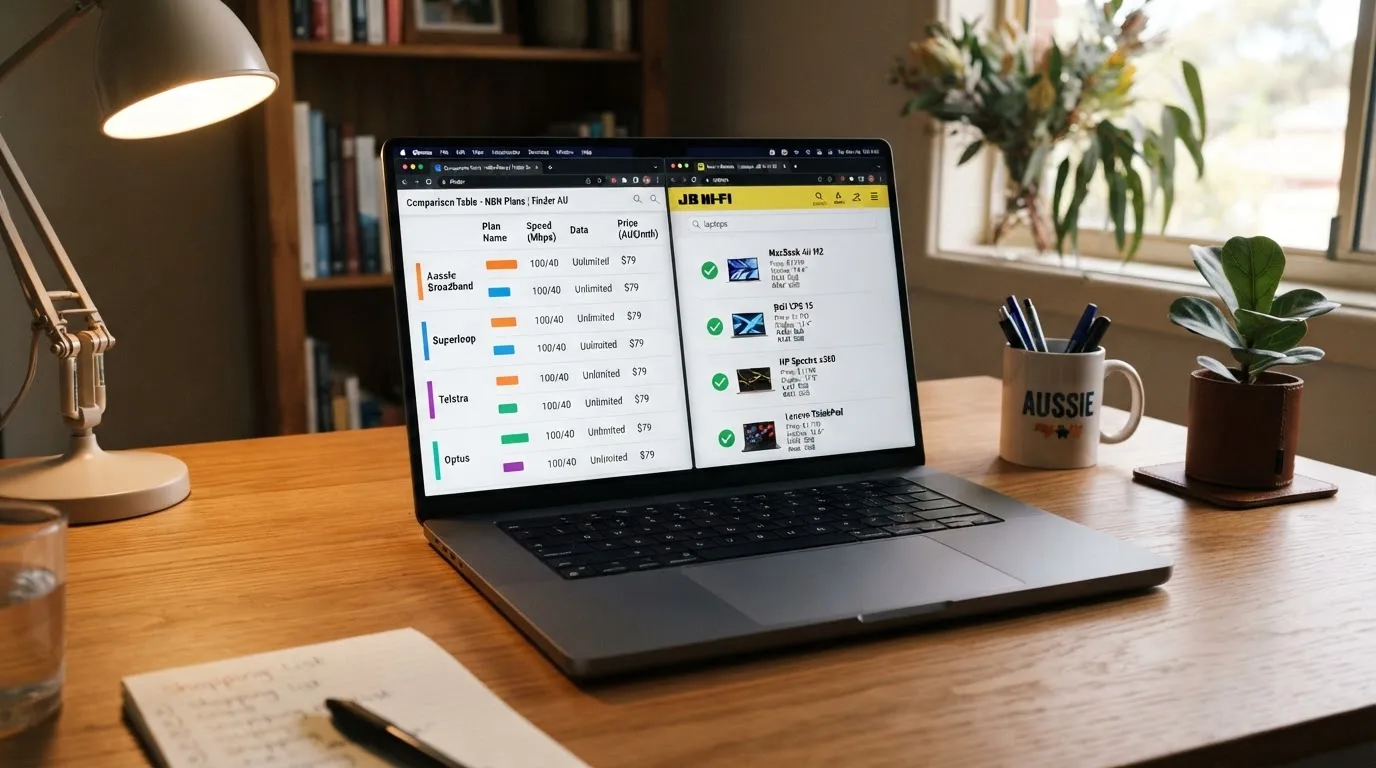
Eleven casino brands have been singled out by the regulator over the past four years. Each one was warned under the Interactive Gambling Act 2001 for offering online casino games — pokies, table games, live dealer rooms — to people in Australia. The warnings are published, named by the regulator, and dated. They are not allegations; they are the ACMA’s own record of the action it took, the operator it warned, and the brand the warning covered. Read across the table, the spread looks the way it does because one operator group can own several brands at once, and a formal warning tends to reappear over each one in turn.
| Brand | ACMA action and date | Operator named by the ACMA | AUSTRAC, BetStop, PayID presence |
|---|---|---|---|
| RocketPlay | Formal warning, March 2026 (Pulsup Ltd); earlier Dama N.V. warning, May 2022 | Pulsup Ltd | Named in gambling trade listings |
| Level Up Casino | Formal warning, May 2022 | Dama N.V. | Card-gambling block rules reference it |
| Woo Casino | Formal warning, March 2025 | Dama N.V. | — |
| Spirit Casino | Formal warning, May 2025 | Dama N.V. | — |
| National Casino | Formal warning, July 2025 | Consolutetish S.R.L. | Listed in AUSTRAC, BetStop and gambling trade references |
| Bizzo Casino | Formal warning, July 2025 (Consolutetish S.R.L.); earlier TechSolutions warnings, 2022 | Consolutetish S.R.L. | Named in gambling trade listings |
| Ignition Casino | Formal warning, July 2025 | Bamboo Media | — |
| Instant Casino | Formal warning, February 2025 | EOD Code S.R.L. | Referenced by an e-wallet’s own terms and by PayID’s scam-warning guidance |
| Jackbit | Formal warning, April 2026 | Ryker B.V. | — |
| Casino Intense | Formal warning, April 2025 | Sterplay Holding Ltd | Listed in AUSTRAC, BetStop and gambling trade references |
| Sky Crown | Formal warning, September 2022 (Sky Crown and Blue Leo) | Hollycorn N.V. | — |
The ACMA’s list is not the full offshore market, and an absence here is not a clean bill. A formal warning means the regulator already identified the brand by name, on the record, for offering prohibited services. What sits outside this table is harder to read — it may be a brand the regulator has not yet named, or one operating under a mirror domain. The blocking round below catches a much wider net than the warning list alone.
Where House of Pokies itself sits in this picture
House of Pokies is not on the table above. The brand has not been the subject of a published ACMA formal warning in the fact base carried for this comparison. What it shares with the eleven on the table is what they all share with each other: an offshore operator, a Curaçao-issued licence of the kind that sits behind most of them, and an offer to take real-money bets on online casino games from an Australian resident. Under the Interactive Gambling Act 2001, that offer is prohibited — irrespective of who runs it, how long it has been running, or what licence it displays in its footer. The brand the page is named after is the case the rest of the table keeps making: it is the same shape of site, the same prohibition, the same absence of an Australian consumer-protection pathway.
How to read the column that does not have data for some rows
The last column is the one that says whether the brand shows up in Australian-facing financial or self-exclusion registers. Where it shows, that is because AUSTRAC, BetStop or PayID have named the brand in their own published material — AUSTRAC as part of its reporting-threshold guidance, BetStop as a reminder that the offshore site is outside the National Self-Exclusion Register, and PayID because the name was carried into its scam-warning text. The em dashes in that column are not a judgement; they are the absence of a public reference, and an absence is itself the kind of information a player is entitled to before committing funds.
What the ACMA actually prohibits, and what it does not
The Interactive Gambling Act 2001 prohibits the supply of online casino games, online pokies and in-play betting to a person physically in Australia. It does not prohibit the player. It targets the operator. No Australian state or territory issues a licence to run an online casino, and the Northern Territory’s Racing and Wagering Commission, which licenses the country’s online bookmakers — including Sportsbet, Bet365 and Ladbrokes — does so for sports and racing wagering placed before the event. That commission has no full-time staff and meets once a month in Darwin. Online pokies, online roulette, online blackjack and live-dealer table games do not have an Australian licence to point to.
What this changes for the punter is small in the short term and large in the long term. In the short term the law is enforced against the provider, not the player. In the long term, the player is the one left holding a balance when the site is blocked, the one with no complaints body to approach, and the one whose self-exclusion request goes nowhere because BetStop only binds Australian-licensed services. The number that captures the scale of this exposure is the A$3.9 billion a year H2 Gambling Capital’s 2025 report estimates Australians lose to illegal sites — and the shift in that figure is the more telling line: the share of gambling going through legal channels fell from 74% in 2021 to 64% by 2025. The legal market is not losing ground to offshore competitors in the way marketing copy usually frames it. The legal market is being out-marketed by sites that look like it and do not pay the costs of it.
The blocking round, and what the rate means
Since November 2019 the ACMA has asked Australian internet service providers to block illegal gambling and affiliate marketing websites. By the end of June 2026 the cumulative total reached 1,751 sites blocked and more than 230 unlicensed gambling services had left the Australian market since enforcement was strengthened in 2017. The most recent reporting round — 26 June 2026 — added twelve more: 7Signs, ChromaBet, Donbet, Duospin, Freshbet, Slots Gem, Jacks Club, Lucky Start, Pointsbetz, Spinrise, Vinyl Casino and Wildsino.
The arithmetic that matters here is the rate. From November 2019 to the end of June 2026 is roughly 80 months, which works out at about 22 blocked sites a month on the long-run average. The latest single round, however, named twelve sites in one update. That is not a steady cadence — it is a step function, with rounds concentrated when the ACMA publishes its findings. A player who reads the cumulative number as a flat daily risk overstates the immediate exposure; a player who reads it as a one-off headline understates the cumulative drift of the market. The honest reading sits between the two: somewhere around twenty new blocked sites a month on the long-run average, with single-round jumps of up to a dozen when a reporting period closes. The condition on that figure is straightforward — it counts only sites the ACMA has named and ISPs have implemented, and the underlying list the regulator draws from is larger than the published one.
The blocking round is the only mechanism that takes a site offline from the Australian side without the player’s cooperation. It does not refund balances. It does not unlock bonuses. It cuts the connection between the player and the operator the regulator has identified, and the balance, where one sits, stays on the operator’s side of that cut.
Responsible play, and what an offshore site cannot offer
Responsible play on an Australian-licensed service runs through three named instruments: BetStop, the National Self-Exclusion Register, which has been live since August 2023 and binds Australian-licensed online and phone wagering services; the National Gambling Helpline on 1800 858 858, free and open 24/7, with chat at Gambling Help Online; and the gambling-block tools that the major banks run at card level. None of these three covers an offshore casino. BetStop binds only licensed Australian services, the helpline is open to anyone regardless of which site they play on, and the bank’s card-level block works against the merchant category code for betting and casino gambling — which the offshore operator may or may not be classified under, depending on how the transaction is coded at the acquirer.
What this costs the player is not the cost of an account closure. It is the cost of the safety net not being there. A licensed operator must offer deposit limits, must register self-exclusion with BetStop, and must connect the customer to the helpline in the way the regulator expects. An offshore operator runs on its own terms. The phrase “responsible gambling” appears on the landing page in the same typography as the bonus headline, and the substance behind it — exclusion, time-out, reality checks — is whatever the operator has chosen to implement and to honour when the player asks.
The bank-side block, and how it actually works
The gambling transaction block at Westpac refuses authorisation of transactions registered under the merchant category code for Betting and Casino Gambling on eligible personal credit and debit cards. ANZ’s version, activated in the ANZ app, blocks gambling transactions made through a digital wallet such as Apple Pay on an eligible card, not just the physical card. Commonwealth Bank’s lock works through the CommBank app on eligible cards and automatically blocks most gambling transactions, though the bank states it cannot guarantee all gambling-related purchases will be stopped. ANZ’s block, once turned on, requires a 48-hour waiting period to remove — a deliberate friction built into the design, because the alternative is a player removing the block on impulse.
Three things follow from this. The block works at the merchant code level, so an offshore operator whose acquirer codes it as something else will pass through. The block follows the card, so a withdrawal paid back to the same card does not trigger it. And the block does not, on its own, tell the player whether the site they are depositing to is one the block actually catches. The line “not all gambling transactions will be blocked” is not a hedge — it is the regulator-recognised limit of what card-level instruments can do.
How money moves in and out, and where it stalls
The licensed Australian wagering market runs on a closed set of payment rails: debit card, bank transfer, PayID, Osko and BPAY. Credit cards, credit-related products and digital currency have been banned as payment for licensed online wagering since 11 June 2024, with penalties up to A$247,500 for operators that breach the rule. A site asking an Australian customer for a credit card deposit or a crypto transfer is operating outside the Australian rules.
For the player at an offshore casino the picture is wider — wider is not the same as better. Visa and Mastercard debit deposits are still the standard entry route on most offshore brands; e-wallets are accepted on some; crypto deposits are common because they sit outside the Australian banking system entirely. The width of the deposit list is not matched on the withdrawal side. A House of Pokies withdrawal review is the brand’s own internal check, run before any money moves, and the time it takes depends on what the operator’s terms require. The brand names the “withdrawal time” in its own pages; the player finds out what the review actually is when they request one. A no-deposit bonus code is read against the same internal process before any winnings are released.
PayID, Osko and BPAY, and what they tell the player
PayID sits on Australia’s New Payments Platform, which has been publicly accessible since 13 February 2018 and is owned by New Payments Platform Australia Ltd — a non-profit whose thirteen shareholders include the Reserve Bank of Australia and the country’s major banks. More than 25 million PayID identifiers were registered by April 2025, and the service is available at over 100 Australian financial institutions. With Osko, a transfer between participating banks arrives in under a minute, 24/7, whether it is addressed to a BSB and account number or to a PayID. BPAY, owned equally by ANZ, Commonwealth Bank, National Australia Bank and Westpac through Cardlink Services Limited, has operated in Australia since 1997 and is available through more than 140 banks and financial institutions, with over 95,000 businesses offering it as a bill-payment method. AP+, the operator of PayID and Osko, also runs BPAY.
The mechanism here is plain. A player who pays a gambling operator through PayID sees the name of the account holder before the transfer is sent. PayID’s own guidance is direct: being asked to transfer money to a PayID on an illegal gambling site almost certainly means a scam site. That is the rail telling the player, at the point of payment, what the operator is. A licensed Australian wagering operator is the kind of business that pays through the regulated rails with its name on the front. An offshore casino is the kind that asks for crypto, asks for a credit card, or asks the player to send to an account whose name is a string of initials.
Apple Pay, Google Pay and the credit-card ban
By the end of 2025, Apple Pay, Google Pay and Samsung Pay transactions collectively accounted for around 45% of all card payments in Australia by number. The Interactive Gambling Act 2001 ban on credit cards and credit-related products as payment for licensed wagering constrains the use of linked digital wallets like Apple Pay — a wallet draws on a card, and the ban on the card flows through to the wallet. ANZ’s block explicitly catches Apple Pay transactions routed through an eligible card, not just the physical card itself. The architecture is the bank’s, not Apple’s: Apple does not charge fees to consumers for using Apple Pay, and the transaction limits and PIN requirements are set by the card issuer or merchant, not by Apple. The reserve bank, in its July 2025 review, proposed removing surcharges only on eftpos, Mastercard and Visa card transactions — explicitly leaving American Express outside the proposed ban.
A player using a digital wallet at an offshore casino is therefore using a wallet that is funded by a card the bank may already be coded to decline. The transaction either clears or it does not, and the answer depends on which merchant code the acquirer assigned to the operator.
Bonuses, free spins, and the arithmetic no bonus page runs
A House of Pokies sign-up bonus, free spins offer or bonus code follows the standard offshore structure: a headline figure, a wagering multiple, a list of eligible games, a maximum-cashout cap, and a time limit. The headline is the part the player remembers. The multiple is the part the page does not print. The shape of the cost is fixed, and it is worth running once because the same shape applies to every bonus on this comparison.
Assume a bonus of A$100 carries a wagering multiple of 40x — the figure most commonly attached to a slot bonus on an offshore site. Required turnover is A$100 × 40 = A$4,000. At a typical slot stake of A$1 per spin, that is 4,000 spins. At a five-second interval between spins, 4,000 spins takes 20,000 seconds, which works out to roughly 5.6 hours of continuous play to clear the bonus. If the slot’s RTP is 96%, the expected loss on the turnover alone is A$4,000 × 0.04 = A$160. That is the bonus’s real cost to the player, before any consideration of the max-cashout cap or the eligible-games list. The marketing word for this is “free”. The arithmetic says something else.
A free-spins offer follows the same arithmetic with a smaller stake. Assume 50 free spins at A$0.20 per spin on a 96% RTP game: expected loss on the spins themselves is A$10 × 0.04 = A$0.40, which is small in absolute terms. What matters is what the winnings are run through before withdrawal. If the winnings from those 50 spins are subject to the same 40x wagering multiple, and the player won A$15, the bonus-cost arithmetic runs A$15 × 40 = A$600 of required turnover, or 600 spins at A$1 per spin, or about 50 minutes of play, with an expected loss of A$24 on that turnover alone. The free spins cost the player A$0.40 to take. Clearing the bonus on what they returned costs A$24 on top. That is the headline-versus-cost gap the marketing does not name.
The calculation is a statistical estimate — an average over many spins under the stated assumptions, not a guaranteed outcome for any individual player. It promises no win, no payout, and no return. What it does promise is a defensible answer to the question the bonus page never answers: how long, and at what expected cost, does clearing this bonus actually take.
The mobile and app layer
A House of Pokies mobile app download offers the same underlying unlicensed activity as the browser-based site, packaged for a phone. The app is, in most cases, a web-view wrapper around the same games and the same cashier — there is no separate product behind it, no separate licence, no separate compliance regime. The download is delivered the way most offshore casino apps are delivered: through a direct link from the operator’s site, because the Google Play and Apple App Store policies restrict real-money casino apps in the Australian market. The player who downloads it ends up with a shortcut to the same site they could have reached through a browser.
What changes on mobile is friction. A phone is faster to deposit from than a desktop, the cashier is one tap away, and the cooling-off period between thinking about a deposit and completing it is shorter. The bank-side card blocks work on mobile too — ANZ’s block covers digital wallet transactions, Westpac’s and CommBank’s blocks operate at merchant-code level — but the speed at which the player can move through the deposit screen is set by the operator, not by the bank. A House of Pokies app is, in this sense, a faster funnel to the same offshore cashier.
Games, providers and the live tables
The games under the House of Pokies name are licensed from third-party providers — the same studios whose games appear on most offshore sites. A paytable on a House of Pokies pokies title is the paytable on that same title at every other operator that stocks it. RTP figures, where they are published, are published by the provider and are identical across operators. Volatility classes — low, medium, high — follow the same logic. A player comparing one House of Pokies game to another is, in practice, comparing two provider titles with two different mathematical profiles, wrapped in the operator’s branding.
Live dealer tables add one layer. The studio is rented, the dealer is on contract, and the regulator that matters is the one that licensed the studio, not the one that licensed the operator. Most live-dealer studios operate out of Malta, Latvia, the Philippines or Costa Rica, under their own jurisdictional licences. An Australian player joining a live table at an offshore casino is connecting to a studio the ACMA has no authority over, through an operator the ACMA has already determined is offering prohibited services to Australians. The game itself is licensed; the path to it is not.
What the games list tells a player
A House of Pokies games lobby is a marketing list, not a comparison tool. The titles are the ones the operator has chosen to feature, and the order in which they appear is the order that converts best, not the order that returns the most. An RTP of 96% on one title sits next to an RTP of 94% on the next, and both are dressed in the same typography. The player who picks on theme alone is picking blind to the maths. The honest read of any offshore lobby is that the house edge is the price of admission, the RTP is the average across all spins, and the volatility class is the shape of the variance around that average. None of that changes because the title is on a familiar-looking lobby.
The case each operator makes — and the case it does not
Each of the eleven brands the ACMA has warned is reviewed below, with the regulator’s own record of what it did, and the one line that makes the brand worth singling out in this comparison. None of these reviews is a recommendation. The product they offer is prohibited in Australia, and the operator’s own licence is not an Australian one. What the review establishes is what the brand is, what the regulator said about it, and which reader — if any — the comparison still serves.
RocketPlay
Pulsup Ltd picked up the RocketPlay brand in time for the ACMA’s March 2026 formal warning — its second appearance on this list, after the May 2022 Dama N.V. warning covered the same brand under earlier ownership. The site is named in gambling trade listings, which means the brand’s marketing footprint has been measured independently of the regulator. The picture the regulator’s record draws is the same one drawn by every brand on this comparison: the operator changed, the prohibition did not. What sets RocketPlay apart is the visibility of that change — the ACMA’s published record carries both the original and the current operator, which is rarer than the regulator’s pages usually allow.
Level Up Casino
Level Up was named in the May 2022 Dama N.V. warning alongside Bambet, Dazard, Rocketplay, Wild Tornado and Cobra Casinos — six brands on one warning. The grouping tells a story about how an offshore operation grows: a single operator, a stable of brands, each one marketed as a separate casino. The card-gambling block rules at the Australian banks reference brands of this shape, which is why Level Up appears in card-block educational material. This brand is a clear instance of the Dama stable’s wider pattern: the operator has been told, in writing, that the product is prohibited, and the brand continues to be marketed to Australians through its mirror domains and affiliate chains.
Woo Casino
Woo Casino is the first of two Dama N.V. warnings the regulator published in 2025, in March. The brand’s data on this comparison is thin because the public record is thin — the formal warning is on the ACMA’s page, and what the operator has said about the brand is not in the fact base carried here. What that thinness is worth is itself a data point: the absence of an independently published audit, the absence of a payment-rail reference, the absence of a BetStop listing. The brand has a regulator’s warning and not much else in the Australian-facing record.
Spirit Casino
Spirit Casino took the second Dama N.V. warning of 2025, in May. The pattern is the same as Woo’s: the operator is named, the brand is named, and the brand’s record outside the regulator’s page is sparse. What separates Spirit from Woo is the timing — two warnings four months apart, both to the same operator group, both for the same kind of breach. The regulator’s repeat action is a finding of its own: the operator group continued to offer prohibited services after the first warning, and the ACMA acted again.
National Casino
Consolutetish S.R.L.’s July 2025 warning covered National Casino and Bizzo Casino in the same notice. National Casino is the one of the two with a fuller public record on this comparison: AUSTRAC’s threshold-transaction guidance, BetStop’s exclusion-register material and gambling trade listings all carry the brand. The breadth of references matters because it tells the player how widely the brand has been named in Australian-facing material outside the ACMA’s own page. The regulator’s case is the same as for every brand on this list. The breadth of the brand’s footprint is what makes the case more visible.
Bizzo Casino
Bizzo has the longest record on this comparison. The July 2025 Consolutetish S.R.L. warning is the second formal warning the brand has drawn — TechSolutions (CY) Group Limited and TechSolutions Group N.V. were warned over Bizzo Casino in 2022. Two operators, two warnings, four years apart, the same brand. Gambling trade listings name it, which is the same kind of independent reference National Casino carries. The regulator’s position here is definitive: this brand has been told twice, and the brand is still being marketed to Australians.
Ignition Casino
Bamboo Media was warned over Ignition Casino in July 2025. The brand’s public record outside the regulator’s page is thin — there is no AUSTRAC reference, no BetStop reference, no payment-rail guidance naming the brand. What that thinness does for the comparison is the same job it does for Woo and Spirit: an absence is itself information, and the player is entitled to know that an Australian-facing record of independent references does not exist.
Instant Casino
EOD Code SRL’s February 2025 warning over Instant Casino sits on a brand with two independent references of an unusual kind. An e-wallet’s own terms name it, and PayID’s scam-warning text names it — the latter as a generic example of an illegal site, the former in the way payment-method terms page reference brands whose transactions the e-wallet has had to handle. The PayID reference is the more telling one. PayID is the rail that tells the player the account-holder name before the transfer is sent, and its guidance is that being asked to transfer money to a PayID on an illegal gambling site almost certainly means a scam site. Instant Casino is a brand PayID has decided to mention by name. That is the regulator’s case, plus the payments rail’s.
Jackbit
Ryker B.V.’s April 2026 warning over Jackbit and CasinOK is the most recent warning on this comparison. The brand’s data outside the regulator’s page is sparse — no AUSTRAC reference, no BetStop reference, no payment-rail mention. What the recency of the warning adds is the headline: the regulator is still naming new operators, still acting against new brands, and the pace has not slowed. The same brand list the ACMA was warning four years ago is not the same brand list it is warning today, and Jackbit is the proof of the rotation.
Casino Intense
Sterplay Holding Ltd’s April 2025 warning over Casino Intense sits on a brand with a fuller public record than most. AUSTRAC’s guidance references it, BetStop’s material references it, and gambling trade listings name it. The breadth of references tells the same story National Casino tells: this is a brand that has been named across the Australian-facing material, not just on the regulator’s page. The regulator’s case is mirrored across the rest of the Australian-facing infrastructure, leaving little room for doubt about the brand’s status.
Sky Crown
Hollycorn N.V.’s September 2022 warning covered Sky Crown and Blue Leo together, the only warning on this list that names two brands in a single notice. The public record outside the regulator’s page is sparse. What the joint warning tells a player is the shape of the operator group behind it: one operator, two brands, one warning. The arithmetic of the comparison — eleven brands, the same shape of offshore operation underneath — is what the joint warning makes visible.
What an Australian player is actually choosing between
Strip the marketing out and the choice for an Australian player is narrower than the funnel suggests. The licensed Australian wagering market offers sports and racing wagering placed before the event, lotteries and keno, on platforms regulated by the Northern Territory Racing and Wagering Commission or by state-level authorities, with BetStop coverage, the National Gambling Helpline on 1800 858 858, card-level gambling blocks at the major banks, and the prohibition on credit cards and credit-related products as payment since 11 June 2024. The offshore market offers everything else — online pokies, online table games, live dealer rooms — through operators the ACMA has named, on licences the regulator does not recognise, behind withdrawal processes the operator alone controls. The cost of choosing the offshore side is the absence of the licensed side’s protections.
What the comparison on this page shows is not that one brand on the offshore list is safer than another. The ACMA’s warnings, the blocking round, the payments-rail guidance and the bank-side card blocks all apply to the shape of the operation, not to the brand on its front. The brand’s name is the marketing wrapper; the operator behind it is the legal entity the regulator warned; the site the player reaches may be a mirror of a site the regulator already blocked. The player who treats the brand list as a ranking is reading past the warning the regulator published.
Frequently asked questions
Is House of Pokies legal for someone in Australia to use for real-money play?
No. The Interactive Gambling Act 2001 prohibits the supply of online casino games — pokies, table games, live dealer rooms — to a person physically in Australia. House of Pokies is an offshore brand with no Australian licence. The site may display an offshore licence in its footer; that licence is not an Australian one, and it does not authorise the site to take real-money bets from Australian residents on online casino games. The player is not prosecuted; the operator is.
How long does a typical House of Pokies withdrawal review take?
The brand names the time in its own terms. The “withdrawal review” is the operator’s internal check, run before any money moves, and what it covers — identity verification, bonus-clearing confirmation, source-of-funds checks — is whatever the operator has set as its process. The honest answer for a player is that the time is not fixed and that the operator’s terms set the range. A withdrawal that fails the operator’s review does not arrive.
What does a House of Pokies no-deposit bonus code actually unlock?
A no-deposit code unlocks a small bonus — typically a few free spins or a token cash amount — without requiring a deposit. What it does not unlock is the winnings. The winnings from a no-deposit offer are almost always subject to a wagering multiple and a maximum-cashout cap, and the cap is what defines the offer in practice: the player can win up to a stated ceiling, and what is above that ceiling is not paid out. The headline word is “no deposit”. The arithmetic says the offer is bounded on the upside.
Is the House of Pokies app a different product from its browser-based site?
No. The mobile app is a web-view wrapper around the same games and the same cashier. There is no separate product, no separate licence and no separate compliance regime. The download is delivered through a direct link from the operator’s site because the major app stores restrict real-money casino apps in the Australian market. What changes on mobile is the speed of the deposit screen — the cashier is closer, the cooling-off period is shorter, and the rest of the experience is the same as on desktop.
What conditions usually apply before House of Pokies free spins can be withdrawn?
The winnings from free spins are subject to a wagering multiple, a maximum-cashout cap, an eligible-games list and a time limit. The multiple is the dominant condition: at 40x, for example, A$15 of free-spin winnings requires A$600 of turnover before withdrawal. The cap is the other dominant condition: a stated maximum amount the player can cash out from the free-spin offer, regardless of what was won. The eligible-games list and the time limit are the two conditions that most often catch the player by surprise, because they convert what looked like a simple bonus into a time-bounded, game-bounded clearing task.
Why might House of Pokies operate under more than one web domain?
Mirror domains are the standard offshore operator practice. A mirror gives the operator a second entry point when the first is blocked, and a second brand surface for affiliate marketing. The mirror carries the same games, the same cashier and the same terms as the main domain. From the player’s point of view, the mirror is the same casino on a different URL. From the regulator’s point of view, the mirror is another domain to add to the blocking list.