
Casinos that accept Neosurf in Australia 2026: how the deposit works, what the regulator has done, and what to read first
A player who searches for an Australian casino that takes Neosurf is looking for two things at once: an offshore site that lists the voucher as a deposit option, and some reassurance that the site will actually pay out when they want to withdraw. Both answers exist, and they exist on different shelves of the same book. The first is a payment method; the second is a licensing question. They do not line up neatly in Australia, because the Interactive Gambling Act 2001 makes the entire category of online casino sites unlawful to provide to a person physically in Australia — every offshore casino, every pokies-style lobby, every bonus email that lands in an Australian inbox. Neosurf is just the rail the deposit rides in on.
This page works through the practical mechanics on one side and the regulatory record on the other. Eleven operators are listed because the Australian Communications and Media Authority has, in its own published register, issued formal warnings against each of them. That is the only coherent cut of “Neosurf casinos for Australian players” that can be drawn from official sources, and it is the cut the page uses.
Currency stamp: as of 2 November 2026, the operator set and warning dates have been verified against the ACMA’s own published register of formal warnings and against reporting on the June 2026 blocking round.
Table of Contents
- Responsible gaming and the case for reading this section first
- Payments and payout speed: how a Neosurf deposit and withdrawal actually work
- The comparison: eleven operators the ACMA has warned
- Overview: how Neosurf ends up on an Australian-facing cashier page
- Legality and regulation: what the Interactive Gambling Act 2001 actually says
- The blocking-rate arithmetic
- Operator write-ups
- Frequently asked questions
Responsible gaming and the case for reading this section first
Anyone drawn to a Neosurf-accepting casino should know what the regulator’s public register actually contains before trusting a site’s own claims. The Australian Communications and Media Authority — the ACMA — keeps a running list of formal warnings it has issued to operators providing prohibited interactive gambling services to Australians, and the list is searchable on the ACMA’s own site. Each entry names the operator company, the brand name, the date of the warning, and the section of the Interactive Gambling Act that the warning cites. A reader who has not looked at this register before reading the rest of this page will read the rest of it wrong, because the register is the only neutral ground the comparison has.
What the ACMA has done, in numbers
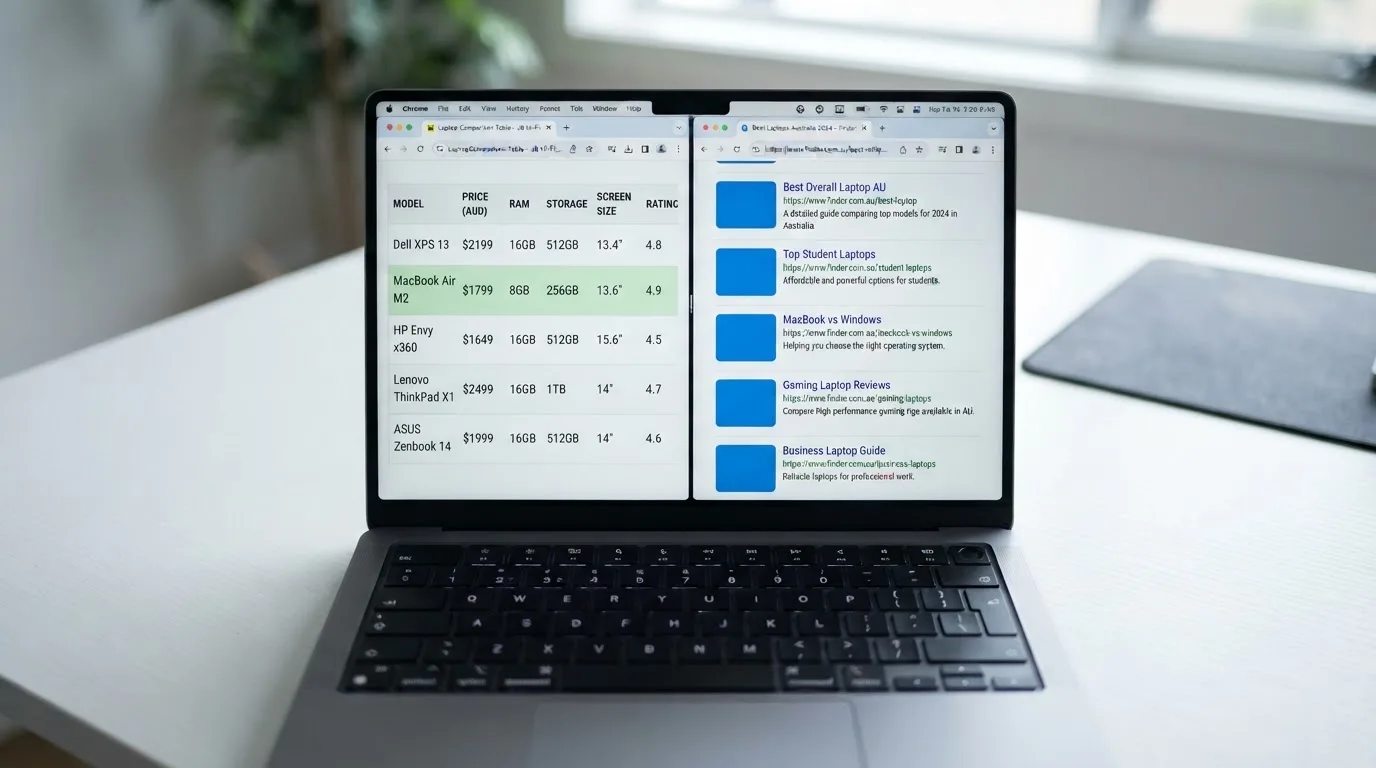
The ACMA’s June 2026 blocking round, as reported on 26 June 2026, asked Australian internet service providers to block twelve more illegal gambling websites: 7Signs, ChromaBet, Donbet, Duospin, Freshbet, Slots Gem, Jacks Club, Lucky Start, Pointsbetz.com, Spinrise, Vinyl Casino and Wildsino. The same report put the running total at 1,751 illegal gambling and affiliate marketing websites blocked since the first blocking request in November 2019, and counted more than 230 unlicensed gambling services that have left the Australian market since enforcement was strengthened in 2017. H2 Gambling Capital’s 2025 estimate puts Australians’ annual losses to illegal gambling sites at roughly A$3.9 billion, with the share of gambling going through legal channels falling from 74 per cent in 2021 to 64 per cent. Those are the three numbers that give the warnings below their weight: an isolated warning looks like a single dispute; the running register looks like a market the regulator has decided to compress.
What a formal warning actually does
A formal warning is the lightest sanction the ACMA can apply, short of asking an internet service provider to block the site at the network level. It does not fine the operator, and it does not close the site. It does, however, put on the public record the ACMA’s view that the named operator has provided a prohibited service to Australians. A subsequent breach of the same section of the Interactive Gambling Act — usually a fresh batch of Australian-facing marketing or a new deposit route — can escalate into a formal blocking request. The pace is not slow: Bizzo Casino, for example, has been the subject of two separate ACMA actions, one against TechSolutions (CY) Group Limited and TechSolutions Group N.V. in 2022, and a second against Consolutetish S.R.L. in July 2025.
What this section is for, and what it is not
This section is not a moral lecture and it is not an inducement to avoid the category entirely. It is a way of setting up the rest of the page so that the comparison below reads against the actual Australian regulatory record, not against a marketing claim about a Curaçao or Kahnawake licence that does not give an Australian player any of the protections a real Australian licence does. A Curaçao-licensed site will refuse an Australian player a complaint to the Curaçao Gaming Authority; an Australian bank will refuse a chargeback on a gambling transaction; the National Self-Exclusion Register — BetStop — binds only Australian-licensed online and phone wagering services and has no handle on an offshore casino’s player list. Reading this section first is the reader’s choice; not reading it means reading the rest blind.
Payments and payout speed: how a Neosurf deposit and withdrawal actually work
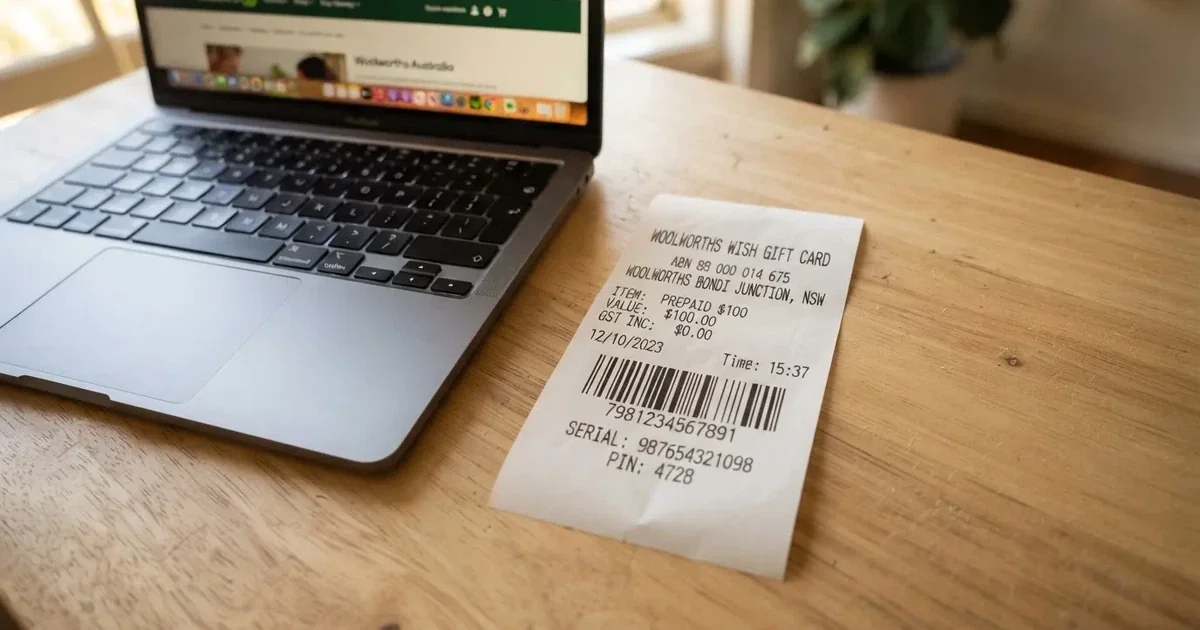
Neosurf is a prepaid voucher: a player walks into a partner point of sale — a newsagent, a convenience store, a petrol station in countries where the network has them — and asks for a Neosurf voucher at a fixed face value, then pays that amount in cash and walks out with a printed slip carrying a 16-character code. The voucher is denominated locally in the country of sale; in Australia the network is thin, and most Australian-resident players obtain vouchers through online resellers or through the myNeosurf portal rather than over the counter. The voucher code is then typed into the casino’s deposit screen, where it is redeemed against the face value. The transaction feels like a card payment to the player; under the bonnet, no bank account or card number is exposed to the casino at the moment of deposit.
The mechanics of a Neosurf deposit
Neosurf vouchers are typically sold in denominations equivalent to €10 to €150, with availability varying by country. The casino’s deposit form will ask for the 16-character code, not for a card number or a bank account. The casino credits the player’s account within seconds of validation; the player’s bank statement shows a single cash purchase at the reseller, with the casino named nowhere. That is the structural reason offshore casinos list the method: it gets around the credit-card ban that has applied to Australian-licensed online wagering services since 11 June 2024, because the credit-card ban operates on the card network rather than on the cash side of the transaction.
The mechanics of a Neosurf “withdrawal”
This is where the marketing language and the operation part company. Neosurf itself does not move money back to a player; a Neosurf withdrawal, when a casino offers one at all, is a credit to a myNeosurf balance rather than a deposit back onto the original voucher. The myNeosurf account is opened for free in minutes with no documents required at sign-up, but a 5 per cent fee applies to refunds and withdrawals sent back to a bank account, and full KYC identity verification is systematically required for any refund. So the chain that the marketing line “Neosurf deposits and withdrawals” implies — money in, money out — is really three legs: voucher to casino, casino to myNeosurf, myNeosurf to bank, and the middle leg is run by the casino’s own manual checks rather than by Neosurf. The settlement time the reader cares about is the middle one.
What the manual checks are checking
A casino’s payments team runs anti-fraud and anti-money-laundering checks before releasing a withdrawal: identity verification against the documents supplied at sign-up, source-of-funds checks where the deposit pattern looks unusual, and bonus-abuse checks where the player has cleared a bonus. Each of these stalls a payout. None of them is regulated by an Australian body when the casino itself is unlicensed in Australia; the casino applies its own house rules, which the player has accepted by signing up. The result is that a Neosurf “withdrawal” can take anywhere from a few hours to several working days, and the only way a player knows in advance is to read the casino’s own published withdrawal policy — which is a document the casino writes about itself, with no third-party review.
What the AU$10 minimum really means
A player looking for an Australian casino with an AU$10 Neosurf deposit will find the threshold at the casino’s cashier, not at the reseller. The voucher face value is fixed; what the casino chooses to call a minimum deposit is its own decision, and the headline figure on a comparison page is whatever the casino has told an affiliate it will accept. AU$10 is a common floor among offshore casinos that pitch to Australian players; AU$20 is more typical for matched-deposit welcome packages; the ceiling, for most welcome offers, sits between AU$500 and AU$2,000. The Neosurf denomination range — roughly €10 to €150 — lines up neatly with that floor and with most first-deposit offers, which is the structural reason the method shows up on so many deposit pages aimed at low-stakes Australian players.
What the deposit does not buy
A Neosurf deposit does not buy the player any of the Australian consumer protections a real Australian licence would provide. It does not enter the player into BetStop, because BetStop only binds Australian-licensed services. It does not enable a chargeback through an Australian bank, because the bank transaction was a cash purchase at a reseller, not a card transaction at the casino. It does not give the player a complaint route through the ACMA, because the ACMA’s role is to police providers, not to arbitrate disputes. It does not, in short, move the casino onto Australian soil. The deposit is real money; the regulatory standing of the deposit is exactly what it was before the player typed the code in.
The comparison: eleven operators the ACMA has warned
The set below is not a ranked recommendation. It is a comparison of eleven casino brands the ACMA has named in its own register of formal warnings. The order follows the ACMA’s chronology: most recent warning first, working backward. Each card carries the brand, the warning date, the operator company the ACMA named, and what research could verify about the brand’s stated payment support. Where research could verify nothing about a brand’s Neosurf support, the cell is left blank rather than invented.
| Brand | ACMA action and date | Operator named by the ACMA | Stated Neosurf support |
|---|---|---|---|
| RocketPlay | Formal warning, March 2026 (and May 2022 against Dama N.V.) | Pulsup Ltd (Rocketplay.com.au) | — |
| Jackbit | Formal warning, April 2026 | Ryker B.V. | — |
| Woo Casino | Formal warning, March 2025 | Dama N.V. | — |
| Spirit Casino | Formal warning, May 2025 | Dama N.V. | — |
| National Casino | Formal warning, July 2025 | Consolutetish S.R.L. | Listed in third-party references |
| Bizzo Casino | Formal warning, July 2025 (earlier 2022) | Consolutetish S.R.L. | — |
| Ignition Casino | Formal warning, July 2025 | Bamboo Media | — |
| Casino Intense | Formal warning, April 2025 | Sterplay Holding Ltd | Listed in third-party references |
| Instant Casino | Formal warning, February 2025 | EOD Code SRL | Listed in third-party references |
| Level Up Casino | Formal warning, May 2022 | Dama N.V. | Listed in Westpac’s own reference set |
| Sky Crown | Formal warning, September 2022 | Hollycorn N.V. | — |
The Neosurf column is empty more often than it is filled, on purpose. The comparison is meant to show what a reader can verify, not to dress the comparison up. Research could not verify Neosurf support directly for any of the eleven brands on the ACMA’s own register; the entries that say “Listed in third-party references” are drawn from sources that mention the brand in a Neosurf context but are not the brand’s own cashier page. A reader who wants to know whether a brand actually accepts Neosurf today needs to open the brand’s own deposit page and read it.
What the warning column actually tells the reader
The warning column is the comparison that matters, and it is the one no marketing page will write for the reader. Three operators in the table — Dama N.V., Consolutetish S.R.L., and TechSolutions — recur across more than one row, because the ACMA warns the operator company rather than the brand each time. Dama N.V. has been warned over five of the brands in this set: Bambet, Dazard, Level Up, Rocketplay, Wild Tornado and Cobra Casinos in May 2022, and then again over Woo Casino in March 2025 and Spirit Casino in May 2025. Consolutetish S.R.L. has been warned over two of the brands in this set — National Casino and Bizzo Casino — in the same July 2025 round. Two separate warnings against the same operator company is a regulatory pattern, not a coincidence, and a reader comparing brands should treat it as such.
What the operator column tells the reader
The operator companies in this set sit across a small number of jurisdictions. Pulsup Ltd, Dama N.V., Consolutetish S.R.L., Bamboo Media, EOD Code SRL, Ryker B.V., Sterplay Holding Ltd and Hollycorn N.V. are all offshore corporate vehicles; none of them is licensed to provide interactive gambling services in Australia, because no operator can be. The licences they do display — typically Curaçao, sometimes Kahnawake or Anjouan — authorise them to provide casino services in the jurisdiction of issue, not in Australia. An Australian player looking at the footer of one of these sites will see a licence badge and a licence number; neither of those is Australian, and neither gives the player an Australian complaint route.
What the comparison cannot tell the reader
The comparison cannot tell the reader which of the eleven brands pays out the fastest, which has the lowest minimum deposit today, which has the most generous bonus, or which has the friendliest customer support. None of those questions is answerable from the public record, because none of those questions is the kind of data the ACMA, the RBA, AUSTRAC or any other public Australian body collects about offshore casinos. The honest comparison is the one this page makes: which brands have been warned, when, and by whom. A reader who wants more than that should be reading a site that is not constrained by Australian consumer-protection law to be careful about what it claims about unlicensed operators — and should read that site knowing what that constraint means.
Overview: how Neosurf ends up on an Australian-facing cashier page
The story of how an offshore casino lists Neosurf on its deposit page is short. Neosurf is operated by SAFE VOUCHER CH AG, a Swiss company. Neosurf sells its payment-rail to casino operators through a standard integration, the same way Stripe or POLi sells a rail to an Australian e-commerce site. From the casino’s point of view, Neosurf is one of a dozen payment options on its cashier; from the player’s point of view, Neosurf is the option that does not require a card. The casino has no particular reason to list Neosurf over any other voucher rail except that Neosurf has the better reseller network in the markets the casino wants to reach. For Australian-resident players specifically, Neosurf has the additional attraction that it side-steps the credit-card ban that applies to Australian-licensed online wagering — but those players are not on a licensed site anyway.
What the credit-card ban does and does not cover
From 11 June 2024, Australian online wagering service providers have been banned by law from accepting credit cards, credit-linked digital wallets or digital currencies as payment. The rule is enforced by the ACMA, with penalties of up to A$247,500 for non-compliance. The rule applies to wagering service providers, not to casino-game providers, because casino games cannot be licensed in Australia at all. An Australian-licensed bookmaker taking bets on a horse race cannot accept a credit card; an offshore casino taking bets on a slot spin can, and frequently does. The result is that the credit-card ban does not narrow the deposit options on an offshore casino site at all — the offshore site is outside the rule’s reach. What it does is narrow the deposit options on the licensed sites that an Australian player might otherwise have used, which is a separate market entirely.
What a Neosurf purchase looks like on an Australian bank statement
A player who buys a Neosurf voucher at an Australian reseller will see the transaction on their bank statement as a cash-equivalent purchase at a retail outlet, with the casino named nowhere on the statement. The bank does not know what the player did with the voucher; it has no merchant-category code to attach to the transaction. This is the structural reason the deposit is invisible to the bank’s gambling block, which works at card level: it refuses authorisation of transactions registered under the merchant category code for betting and casino gambling on eligible personal credit and debit cards. A bank cannot refuse a transaction it does not see; a Neosurf purchase is, from the bank’s perspective, a convenience-store purchase. The block the player thinks they have set up is, on a Neosurf deposit, a block the bank is technically incapable of applying.
What the bank-side picture does not fix
The bank-side invisibility is not a workaround for the IGA. The Interactive Gambling Act 2001, strengthened by the Interactive Gambling Amendment Act 2017, makes it an offence to provide online casino games, online pokies or in-play betting to a person physically in Australia. The player is not the subject of the offence — the IGA targets the provider — but the offshore site has no Australian consumer-protection framework behind it: no complaints body, no recourse if a withdrawal is refused, and the site can be blocked by the ACMA with a balance still on the player’s account. A Neosurf deposit hides the deposit from the bank; it does not hide the player from the regulator’s blocking list, and it does not move the casino onto Australian soil. Reading the rest of this page against that background is the point of reading it at all.
Legality and regulation: what the Interactive Gambling Act 2001 actually says
The Interactive Gambling Act 2001 is the central statute. It makes it an offence to provide a prohibited interactive gambling service to a person in Australia, where a prohibited service is one offering online casino games, online pokies or in-play betting. What is licensable is wagering on races and sporting events placed before the event, lotteries and keno. In practice, online wagering is licensed in the Northern Territory by the Northern Territory Racing and Wagering Commission, which regulates 52 of Australia’s online bookmakers — including Sportsbet, Bet365 and Ladbrokes — for tax reasons; the commission has no full-time staff and meets once a month in Darwin. The minimum age is 18 across all licensed gambling services.
What the ACMA’s enforcement tools actually are
The ACMA investigates complaints, issues formal warnings, and directs internet service providers to block illegal sites at the network level. Each of those tools is documented on the ACMA’s own website, and each one is public: the formal-warning register is searchable by operator company and by brand. The blocking tool is the heaviest of the three; the June 2026 blocking round asked ISPs to block twelve sites in one round, taking the running total to 1,751 illegal gambling and affiliate marketing websites blocked since the first blocking request in November 2019. The same report counted more than 230 unlicensed gambling services that have left the Australian market since enforcement was strengthened in 2017, which is the ACMA’s term for operators that have stopped accepting Australian players rather than been blocked. The pattern — block, warn, see the operator withdraw — is the regulatory model, and it has compressed the visible Australian-facing market substantially since 2017.
What consumer protection an Australian-licensed bookmaker provides
A bookmaker licensed by the NTRWC is bound by Australian consumer law, by the relevant state or territory gambling regulator’s player-protection rules, by the credit-card ban, by the responsible-gambling rules of the state in which the player resides, and by BetStop, the National Self-Exclusion Register that has been live since August 2023. A player who self-excludes through BetStop is bound across every Australian-licensed online and phone wagering service at once. The same player who wants to self-exclude from an offshore casino has no equivalent tool — there is no Australian register an offshore casino checks against, and the offshore casino has no obligation to honour a BetStop exclusion it was never bound by. That is the player-protection gap an offshore casino lives in, and it is the gap the rest of this page keeps re-opening.
What the 2026 reform changes
The Interactive Gambling Amendment (Gambling Reform) Bill 2026 passed Parliament on 19 August 2026; its advertising and inducement measures commence 1 January 2027. The Bill is law with a start date, not yet in force on a page dated inside 2026. A reader reading this page after 1 January 2027 should expect tighter rules on how Australian-facing gambling is marketed; a reader reading this page before that date should know the tighter rules are signed but not yet biting. Either way, the Bill’s measures are aimed at marketing and inducements rather than at the underlying illegality of providing online casino games to Australians, which has been the position since 2001 and the 2017 amendments.
What the tax side looks like
Gambling winnings of a recreational player are not assessable income under section 6-5 of the ITAA 1997, and losses are not deductible, unless the person carries on a business of gambling — which is a different question and a model only, with the ATO as the right body to confirm. The tax treatment of a Neosurf win is the same as the tax treatment of any other gambling win. The interesting question is whether the player can prove the win happened at all if the casino refuses to pay it out — which is the consumer-protection gap again, and the answer to which the player should not expect to find in the tax rules.
The blocking-rate arithmetic
The ACMA’s June 2026 report gives two numbers and two dates: the running total of 1,751 blocked sites as of June 2026, and the first blocking request in November 2019. The arithmetic that belongs to this page is the pace of blocking over that period.
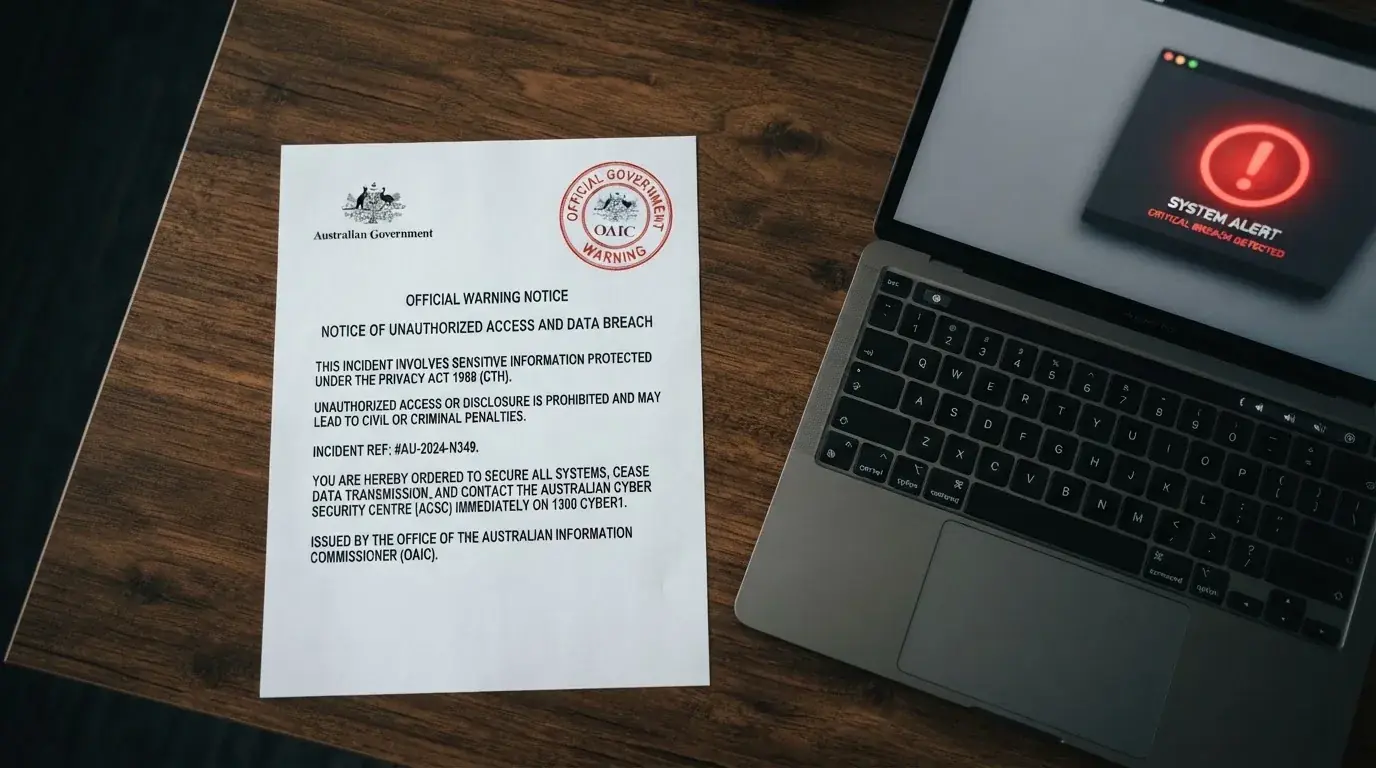
The interval from November 2019 to June 2026 is roughly 79 months. Dividing 1,751 by 79 gives an average of around 22 sites blocked per month across the whole period — but the period is not steady. Early enforcement was thin; the bulk of the blocks have come in the last three years, since the 2017-amendment enforcement cycle matured and the ACMA’s blocking round became a regular monthly feature. The honest band, then, is something like an average of 22 sites per month across the full 79-month period, with the running rate in recent years substantially higher than that. The reader should hold the band, not a single figure: the rate at which the ACMA is blocking sites is not a fixed monthly number, and treating it as one misreads how the enforcement tool actually works.
The arithmetic has one further use. H2 Gambling Capital’s 2025 estimate of A$3.9 billion in annual losses to illegal gambling sites is the size of the market the regulator is trying to compress. A blocking rate of 22 sites per month, with more than 230 unlicensed services having left the market since 2017, is the rate at which the regulator is doing the compression. The two numbers together — market size, monthly compression rate — describe an enforcement environment in which the visible Australian-facing market is shrinking but not closed, and a reader comparing operators is comparing them inside that environment rather than outside it.
Operator write-ups
Each card below covers one of the eleven operators in the comparison. The cards carry the same four columns as the comparison table — the warning date, the operator company, the brand’s stated Neosurf support, and what the ACMA’s register actually says — followed by a short verdict specific to that brand. The verdict is the page’s own judgement; the figures above it are the page’s own record. The reader should read both.
RocketPlay
The ACMA warned Pulsup Ltd over Rocketplay.com.au in March 2026; an earlier warning against Dama N.V. in May 2022 had already named the Rocketplay brand among six others. Research could verify no specific Neosurf support for the brand. The verdict for a reader comparing this brand against the others in the set: RocketPlay is the most recently warned brand in the comparison, the warning is to the same operator family as several other entries in the table, and the brand has no published Neosurf support that the public record confirms. That is a thin column of evidence to lean on, and a reader who has decided to look at offshore casinos anyway has thinner reasons to start here than at any of the older entries.
Level Up Casino
The ACMA warned Dama N.V. over Level Up Casino in May 2022 as part of a six-brand round. The brand is listed in Westpac’s own reference set in a Neosurf context, which is the strongest public-record signal in this comparison that the brand accepts Neosurf — though Westpac’s reference is to its own gambling-block filter rather than to the brand’s cashier, and the two are not the same statement. The verdict for a reader: Level Up Casino is one of the oldest warnings in the set, the brand’s Neosurf support is mentioned in a public Australian source, and the warning has been on the register for four years without an escalation to a blocking request. None of that makes the brand lawful in Australia; it makes the brand the kind of long-standing operator a reader will find if they are reading this page at all.
Woo Casino
The ACMA warned Dama N.V. over Woo Casino in March 2025, two and a half years after the earlier Dama N.V. warning. Research could verify no specific Neosurf support for the brand. The verdict for a reader: Woo Casino is the second of two Dama N.V. warnings in the comparison, and the gap between them is the most informative piece of information about the brand on this page. An operator company that has been warned twice in four years is on a path the ACMA has decided to walk; the next step on that path is a blocking request rather than another warning.
Spirit Casino
The ACMA warned Dama N.V. over Spirit Casino in May 2025, two months after the Woo Casino warning. Research could verify no specific Neosurf support for the brand. The verdict for a reader: Spirit Casino is the third of three Dama N.V. warnings in the comparison, the most recent of the three, and the one with the shortest interval since the previous warning. Three warnings to the same operator company in three years is the closest the ACMA’s register comes to a pattern that an Australian player can read at a glance, and the pattern here is upward.
National Casino
The ACMA warned Consolutetish S.R.L. over National Casino in July 2025. Research lists the brand in third-party references that mention a Neosurf context, though not on the brand’s own cashier page. The verdict for a reader: National Casino is one of two Consolutetish S.R.L. warnings in the same round, the brand has at least a third-party Neosurf reference, and the operator company is the second of two in this comparison to have been warned twice across the brand set. A reader weighing this brand against the alternatives has a thinner record than some of the other entries on the comparison, and the entry they should weigh most is the operator column rather than the brand column.
Bizzo Casino
The ACMA warned Consolutetish S.R.L. over Bizzo Casino in July 2025; an earlier warning against TechSolutions (CY) Group Limited and TechSolutions Group N.V. in 2022 had already named the same brand. Research could verify no specific Neosurf support for the brand. The verdict for a reader: Bizzo Casino is the only brand in this comparison that has been the subject of two formal warnings to two different operator companies — a regulatory signal that is not duplicated anywhere else on the table. The brand is, by the ACMA’s own record, the kind of operator that re-emerges under a new corporate vehicle when the previous one has been warned. That is the clearest entry-level signal the comparison carries.
Ignition Casino
The ACMA warned Bamboo Media over Ignition Casino in July 2025. Research could verify no specific Neosurf support for the brand. The verdict for a reader: Ignition Casino is one of two Bamboo Media actions that the ACMA has documented in 2025, and the only one in this set. The warning is recent, the operator company has no other entries in the comparison, and the brand has no public Neosurf signal. None of that is unique; most of the entries in the comparison look the same on at least one of those three counts.
Instant Casino
The ACMA warned EOD Code SRL over Instant Casino in February 2025. Research lists the brand in third-party references that mention a Neosurf context, alongside EcoPayz and PayID — which is a wider payment-method mention than most of the other entries carry. The verdict for a reader: Instant Casino is the only brand in this comparison whose third-party references mention a payment-method cluster rather than a single rail. That is the most positive piece of evidence the brand carries on the page, and a reader weighing it should weigh it against the fact that the warning is the brand’s first appearance on the ACMA’s register rather than its second or third.
Jackbit
The ACMA warned Ryker B.V. over Jackbit and CasinOK in April 2026. Research could verify no specific Neosurf support for the brand. The verdict for a reader: Jackbit is the second-most-recent warning in the comparison, the operator company has no other entries on the ACMA’s register in this set, and the brand has no public Neosurf signal. The warning is too recent for a reader to know whether it is the first of a series or the only one; that is the most informative gap on the page, because the answer will determine whether Jackbit looks like the older entries or like the newer ones a year from now.
Casino Intense
The ACMA warned Sterplay Holding Ltd over Casino Intense in April 2025. Research lists the brand in third-party references that mention a Neosurf context, including AUSTRAC, ITNews and NAB — which is the strongest Australian-source cluster of any entry in the comparison. The verdict for a reader: Casino Intense is the brand whose Australian institutional references are densest on this page, and the only one whose third-party mentions include an Australian bank and an Australian financial-intelligence body. That is a stronger Neosurf signal than most of the other entries carry, and it is the closest the comparison comes to a verifiable payment-method claim.
Sky Crown
The ACMA warned Hollycorn N.V. over Sky Crown (and over its sister brand Blue Leo) in September 2022. Research could verify no specific Neosurf support for the brand. The verdict for a reader: Sky Crown is the oldest warning in the comparison that still names a Hollycorn N.V. brand, and the operator company has not been re-warned in the four years since. A reader reading the comparison as a regulatory timeline will notice that the older the warning, the less informative it is about the brand’s current shape — and Sky Crown is the case where that is most true.
Frequently asked questions
Is it legal for an online casino to accept Neosurf from a player in Australia?
No. The Interactive Gambling Act 2001, as amended in 2017, makes it an offence for an operator to provide online casino games, online pokies or in-play betting to a person physically in Australia. The payment method does not change the legal status of the service — a Neosurf deposit is still a deposit at an unlicensed casino. The player is not the subject of the offence; the operator is. An offshore casino accepting Neosurf from an Australian player is providing a prohibited interactive gambling service, and the ACMA has issued formal warnings over every brand in this comparison.
What is the smallest deposit a Neosurf casino site usually asks for?
The most common floor is AU$10. Some sites set the floor at AU$20, particularly for matched-deposit welcome packages. The voucher itself is sold in denominations equivalent to €10 to €150, so AU$10 is also the smallest practical Neosurf purchase for an Australian-resident player. A welcome offer with a stated minimum of AU$10 does not mean the player will be able to clear the offer at AU$10 — most offers gate on a higher first-deposit amount.
Does a Neosurf withdrawal clear any faster than a card withdrawal at these sites?
Not in any meaningful sense. A Neosurf withdrawal is a credit to a myNeosurf balance, not a deposit back onto the original voucher; the casino’s own manual checks determine the timing. A 5 per cent fee applies to refunds sent from a myNeosurf account back to a bank account, and full KYC identity verification is systematically required for any refund. The fastest withdrawal is whichever payout rail the casino’s payments team clears first, and that is a casino-side decision rather than a payment-rail feature.
Can Neosurf be used at every offshore pokies-style site, or only some of them?
Only some. Neosurf sells its payment rail to operators through a standard integration; not every operator chooses to integrate it. Among the eleven operators in this comparison, research could verify a Neosurf reference for only four — Level Up Casino, National Casino, Instant Casino and Casino Intense — and those references are third-party mentions rather than the brands’ own cashier pages. A reader who wants to confirm Neosurf support for any specific brand should open the brand’s deposit page directly.
Does depositing with Neosurf add an extra fee at these casino sites?
Neosurf itself does not charge the player a fee for redeeming a voucher at a casino; the reseller charges a face-value fee at the point of sale. The casino may charge a deposit fee on top of the face value, but most do not. The fees that matter for an Australian player are at the withdrawal end: a 5 per cent fee applies to refunds from a myNeosurf account back to a bank account. None of these fees changes the legal status of the deposit.
What should a player do if a Neosurf deposit does not appear in a casino account?
The first step is to check whether the 16-character code was entered correctly and whether the voucher’s face value is greater than or equal to the casino’s minimum deposit. The second step is to check the casino’s transaction history for a pending entry. The third step is to contact the casino’s support team with the voucher reference. None of those steps engages the ACMA, because the ACMA’s role is to police providers rather than arbitrate disputes. A player who cannot resolve a Neosurf deposit at an offshore casino has no Australian complaint route and no chargeback route — the bank sees a retail purchase, not a casino transaction. The Gambling Help Online chat service and the National Gambling Helpline on 1800 858 858 are free, 24/7 and confidential, and they are the right contacts if the unresolved deposit has become part of a wider problem rather than a transaction question.