
Live roulette for Australian players: how an English-speaking dealer table actually works in 2026
A live roulette table streamed to a person in Australia runs on the same physics as a felt-and-ball table in Melbourne or Darwin — a wheel, a ball, a dealer who calls the result. The dealer speaking English is not the part that changes the legality. The Interactive Gambling Act 2001 makes it an offence to provide online casino games to a person physically in Australia, and a live-dealer roulette table is an online casino game no matter who is running the wheel. This page works through what those tables are, why the English-speaking pitch is so common, what it costs a player who funds one in bitcoin or PayID, and which sites the Australian regulator has already acted against.
Current as of 29 October 2026. Operator data was checked against the ACMA’s published register of formal warnings and blocking requests.
Table of Contents
- What a “live roulette with English-speaking dealers” actually is
- A short history of the wheel under the ball
- Why the English-dealer pitch is so common for an Australian audience
- Legality in Australia: what the Interactive Gambling Act 2001 actually says
- How the ACMA’s blocking-rate has run over the years
- The age, the identity check and the offshore casino
- Responsible play: the part a spinning wheel hides
- Crypto and the live-roulette pitch
- PayID, debit and the licensed-wagering side
- Payouts: how a live-roulette withdrawal actually moves
- The house edge and why the table language does not move it
- The regulators who actually license casino play in Australia
- The ACMA’s record against offshore live-roulette sites
- What this means for a punter weighing up an English-dealer table
- Where the figures on this page come from
- Frequently asked questions
What a “live roulette with English-speaking dealers” actually is
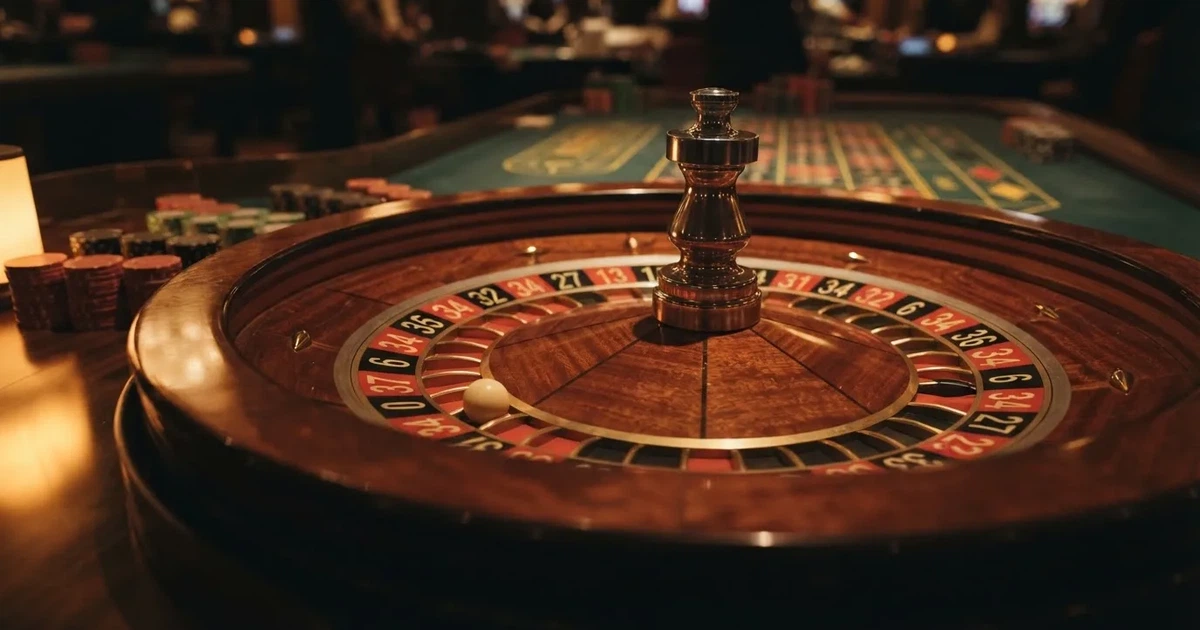
A live roulette game is a video stream of a physical wheel run from a studio somewhere outside Australia. A real croupier sets the wheel spinning, calls the winning number and settles the bets on screen. The player watches the same feed everyone at the table sees; their chip stack is software, the wheel is not. Two things make it “live” rather than software-roulette: a human dealer in the picture, and outcomes decided by a physical ball rather than a random number generator.
The English-speaking-dealer angle is mostly a customer-service choice. Many studios run native-language tables for several markets off the same wheel — Turkish, German, Russian, Italian, English. The English-language version is what an Australian punter typically lands on, because the pitch, the chat function and the betting prompts are all in English. It is the same wheel as the German-language table next door. Studios cluster in Malta, Bulgaria, Romania, Georgia and Costa Rica; the dealer on camera is hired locally, speaks the table’s chosen language, and is rarely Australian.
A few practical details shape what a player is actually buying:
- The wheel is one of three configurations. A single-zero wheel has 37 pockets (1–36 plus a single 0) and a house edge of 2.70% on every bet. A double-zero wheel has 38 pockets (1–36, 0 and 00) and a house edge of 5.26%. A triple-zero wheel — rare, but it exists on some offshore sites — has 39 pockets (0, 00, 000 and 1–36) and a house edge of 7.69%.
- The paytable is fixed. A straight-up bet on a single number pays 35 to 1 either way. The zeros are where the house edge lives — every other bet on the layout pays a fixed multiple of the stake, and the zeros collect what the math says they collect.
- Some European tables run la partage or en prison. An even-money outside bet (red, black, odd, even, high, low) that loses to a single zero either gets half its stake back (la partage) or is held over for one more spin (en prison). Both rules cut the effective house edge on those outside bets to roughly 1.35%.
- The pace is fixed by the wheel. A standard live table completes a spin every 40–60 seconds, with the dealer taking bets in between. There is no “fast-forward” button the way some software roulette has. A thousand spins on a live table takes roughly seven hours of actual play.
None of those mechanics depends on the dealer’s language. The English-speaking pitch is convenience — call-outs, table chat, on-screen prompts — and it is the same wheel a Turkish-speaking dealer is running on the studio floor.
A short history of the wheel under the ball
Roulette likely grew out of the Italian card-and-dice game Biribi, with Blaise Pascal’s 17th-century experiments in perpetual motion a popular candidate for the first primitive wheel. The modern game took its current shape in 18th-century France, with documented play in Paris from 1796 onwards. The double-zero pocket that defines the American variant is a later addition by US operators who wanted a sharper house edge; the single-zero European layout is the older form and the one most live studios still default to.
Two centuries on, the wheel is the only casino game where one piece of equipment — the layout — has barely changed. The bets, the payouts, the felt colours are recognisably the same. What changed is where the player sits: in front of a physical wheel in a casino, or in front of a stream of one.
Why the English-dealer pitch is so common for an Australian audience
Three reasons stack up.
Market size. Australia has a deep pool of English-speaking gamblers, and the studios that want to sell live tables to them do not need to translate the product. A Turkish-language table aimed at Turkey has to translate the betting prompts and train the dealer; an English-language table aimed at Australia, the UK, Canada, New Zealand, South Africa and Ireland serves five markets off one studio.
Local content. Some operators brand an “Australian” or “English-speaking” table with extra signage and a dealer trained on Australian betting terminology — “inside bets”, “outside bets”, “the line” — even when the dealer is from eastern Europe. The branding is real, the country of origin is not.
Studio economics. Studios run 24/7 with shifts. An English-language table is one of several off the same wheel; what changes between shifts is mostly the dealer’s outfit and language, not the equipment. The same physical wheel can serve a German-language table from 6pm to midnight and an English-language table from midnight to 6am, with the pit boss swapping dealers.
A punter looking for “Australian” dealers, in the strict sense, will mostly not find them. The language on camera is English; the accent is rarely Australian. Where a brand advertises “Australian dealers”, the descriptor usually means English-language tables, not staff flown in from Sydney.
Legality in Australia: what the Interactive Gambling Act 2001 actually says
The Interactive Gambling Act 2001, as tightened by the Interactive Gambling Amendment Act 2017, makes it an offence to provide online casino games — roulette, slots, blackjack, baccarat, craps and the rest — to a person physically in Australia. A live-dealer roulette table falls inside “online casino game” no matter how it is streamed, no matter what licence the offshore operator displays, and no matter what currency the punter deposits in. No state or territory licenses online casino games; what is licensed is wagering on races and sport placed before the event, lotteries and keno.
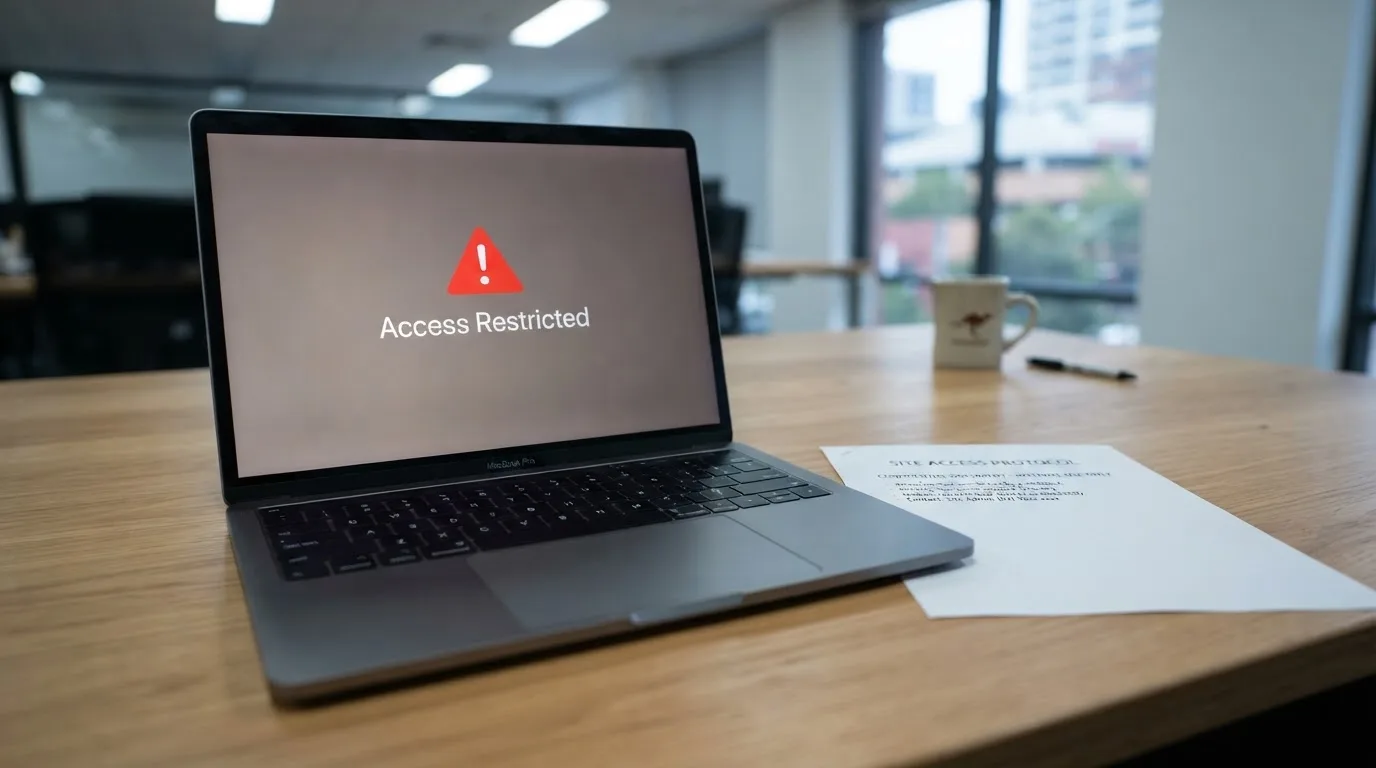
The IGA targets the provider, not the player. Individual Australians are not prosecuted for opening an account at an offshore casino. What they do give up is the consumer protection regime that comes with an Australian-licensed bookmaker: no Australian complaints body, no recourse if a withdrawal is refused, no assurance the site will still be reachable next week. The site can be blocked at the ISP level with a balance still sitting in the account.
Enforcement sits with the Australian Communications and Media Authority, the ACMA. The regulator investigates complaints, issues formal warnings to operators, and can direct Australian internet service providers to block offending sites. As of June 2026 the running total of websites blocked since the first blocking request in November 2019 was 1,751 — a figure that covers both illegal gambling services and their affiliate marketing pages — and more than 230 unlicensed gambling services had left the Australian market since enforcement was stepped up in 2017. The most recent round, reported on 26 June 2026, asked ISPs to block a further 12 sites: 7Signs, ChromaBet, Donbet, Duospin, Freshbet, Slots Gem, Jacks Club, Lucky Start, Pointsbetz, Spinrise, Vinyl Casino and Wildsino.
A live roulette table aimed at Australian residents is illegal to provide, full stop. The dealer language is a marketing decision on top of that, not a workaround.
How the ACMA’s blocking-rate has run over the years
The arithmetic the page’s numbers carry is a simple blocking-rate, not a forecast.
- Total sites blocked since first request (June 2026): 1,751.
- Date of first blocking request: November 2019.
- Elapsed months from first request to the June 2026 round: roughly 79.
Across 79 months the ACMA’s blocking requests have averaged out at about 22 sites per month — a band rather than a flat rate, because most months pass without a published round and several rounds each take down a dozen or more. Over the last twelve months the rate has been higher than the long-run average, which is the part of the curve that bites: the regulator is acting faster, not slower, and the list of blocked names has been growing rather than stabilising.
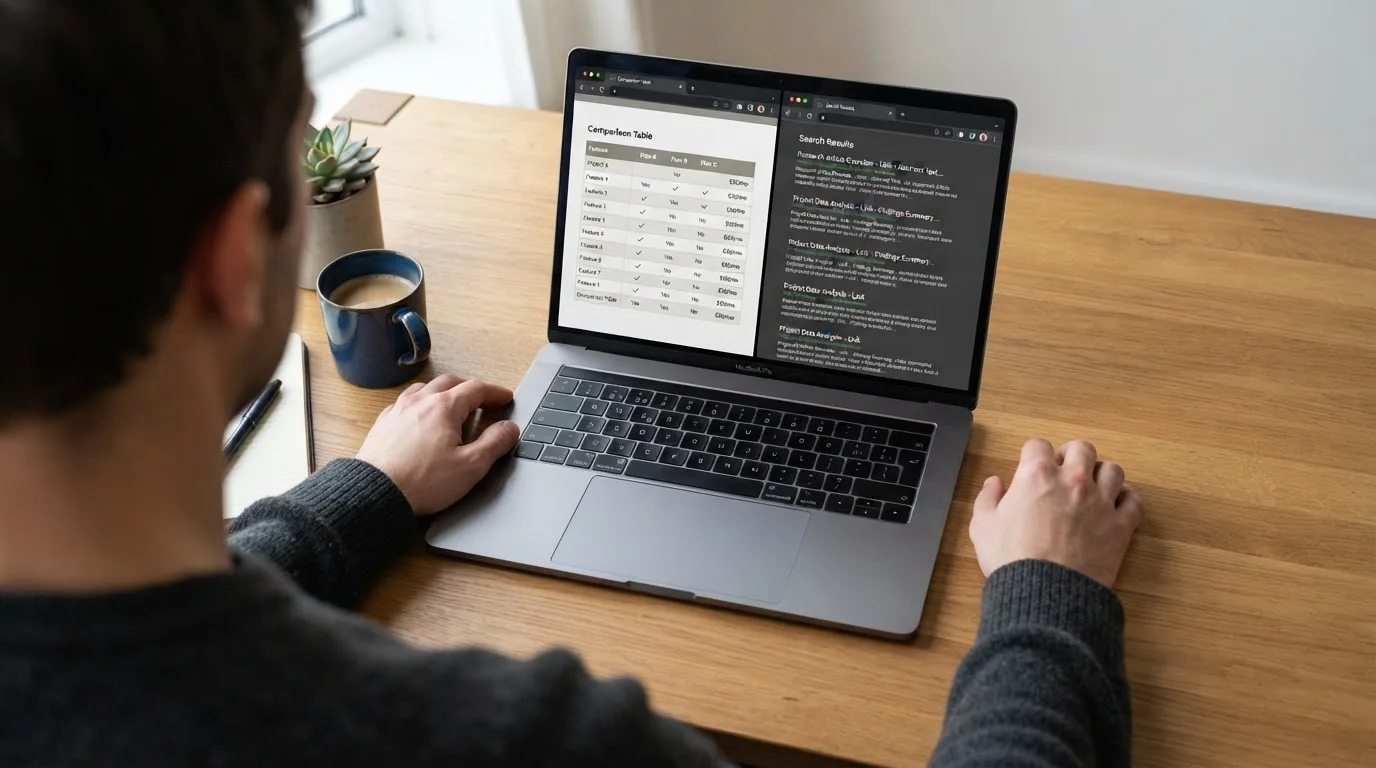
A punter reading those numbers should draw the obvious line. A site the ACMA has not yet blocked is not a site the ACMA has decided is legal. The regulator works on complaints and on its own monitoring; the absence of a name from a blocking round is not a clearance.
The age, the identity check and the offshore casino
Australian-licensed online and phone wagering services must verify that every account holder is at least 18 and is who they say they are. Offshore live-roulette sites usually do some form of identity check at withdrawal time rather than at signup, partly because they are not regulated to do it at signup and partly because the signup is the moment they want a punter through the door. The pattern is well known: deposit freely, play freely, hit a withdrawal threshold, then face a document request that takes days or weeks to clear — and on a site about to be blocked, may never clear at all.
A punter who wants an Australian-regulated experience with full identity verification, age enforcement and recourse if a payout goes wrong is looking at a product the Interactive Gambling Act does not let an offshore operator sell — online casino games. The licensed products (sports, racing, lotteries, keno) are legal precisely because they are not casino games.
Responsible play: the part a spinning wheel hides
A live roulette table is built to feel like a system. The dealer announces the last twenty numbers; the on-screen display shows a colour-coded history of red and black runs; some tables even badge hot and cold numbers. None of it tells the player anything about the next spin. A physical wheel has no memory. The ball does not know the last ten results were red. Reading patterns into a sequence of independent events is a well-known cognitive trap and a documented driver of overspend.
Three rules that help on any table, live or software, and matter more on a live table because the session is harder to walk away from:
- Set a loss limit before the first spin, not after the tenth. A punter who decides mid-session has already decided under the influence of the session.
- Set a stop-win too. A session that closes on a profit is more likely to be a session the punter actually closes.
- Walk away when the table pace stops suiting. A live table is 40–60 seconds per spin. A session that runs longer than two hours without a break is a session the punter has stopped counting.
For an Australian punter who has self-excluded from licensed wagering, the offshore live-roulette site is not connected to BetStop, the National Self-Exclusion Register. BetStop binds Australian-licensed online and phone wagering services and went live in August 2023. An offshore casino has not signed up, and the punter’s exclusion does not carry across to it. The barrier that stops a self-excluded Australian from opening a new account at an Australian-licensed bookmaker does not exist at the offshore casino’s signup form.
Help lines exist outside the offshore product. The National Gambling Helpline is 1800 858 858, free, 24/7, with online chat at Gambling Help Online. Both are Australian services and both work regardless of where the gambling the caller wants to talk about took place.
Crypto and the live-roulette pitch
Bitcoin and other cryptocurrencies are pitched as a feature at offshore live-roulette sites for three reasons: the deposit clears faster than a bank wire, the site accepts players from jurisdictions card processors refuse, and the punter’s identity is partly decoupled from the transaction.
The wheel does not change. A bitcoin-funded live roulette table spins the same physical wheel as a card-funded one; the dealer on camera is the same; the paytable is the same; the house edge on a single-zero wheel is the same 2.70%. What changes is the route the money takes on the way in and out.
Two things follow:
- The legal frame is unchanged. The Interactive Gambling Act 2001 does not care what currency the deposit is in. A bitcoin-funded live roulette table offered to a person in Australia is still a prohibited interactive gambling service.
- The recourse problem is sharper, not softer. A bitcoin deposit that sits at an offshore site the ACMA blocks cannot easily be recovered through an Australian dispute process. Chargeback works on a credit card and partly on a debit card; it does not work on a crypto transfer that has already cleared on a blockchain.
A punter who has decided, despite all of the above, to fund a live roulette table in bitcoin should know what they are buying: the same wheel, the same house edge, the same legal exposure, with the added risk that the deposit route is the one with the weakest Australian consumer protection.
PayID, debit and the licensed-wagering side
PayID is Australia’s instant-transfer rail, running on the New Payments Platform through Osko. It is the deposit route an Australian-licensed bookmaker offers, alongside debit card, bank transfer and BPAY. It is fast — typically seconds — and it is a payment rail the ACMA and AUSTRAC can see.
What PayID is not, despite how some offshore sites brand it, is a special authorisation to receive casino deposits. An offshore live-roulette site accepting PayID is an offshore site using an Australian payment rail for a product Australians cannot legally be sold. The transfer lands in the punter’s account within seconds, which is the part that feels safe; the legal status of what the transfer is paying for is unchanged.
A useful way to read the PayID question: the route the money travels does not change what it is buying.
Payouts: how a live-roulette withdrawal actually moves
A withdrawal from a live-roulette site goes through the same review process as any other offshore casino withdrawal, regardless of how it was funded. The site receives the request, runs an internal review (usually framed as anti-money-laundering), then either approves or asks for documents. The review is the part that decides how long the wait is, and the review is run on the site’s terms, not the punter’s.
Three things shape the wait:
- Verification status. A punter who has already supplied ID, proof of address and proof of payment method at signup waits less at withdrawal than a punter who has not. The site that asks for documents at withdrawal rather than at signup is asking for them when the punter is most invested in walking away with the money.
- Payment route. A PayID payout, once approved, is seconds. A bank wire is one to three business days. A bitcoin payout, once approved, is one to three blockchain confirmations — typically under an hour.
- Site status. A site the ACMA has just asked ISPs to block is a site that may be unreachable tomorrow. A punter whose withdrawal is “pending review” on a site in the latest blocking round is a punter whose money is at risk.
The fastest legitimate withdrawal in this market is the one that has already cleared KYC at signup, not the one that races the regulator to the punch.
The house edge and why the table language does not move it
The mathematics of the wheel do not change with the dealer’s mother tongue. A live roulette table with an English-speaking dealer still pays 35 to 1 on a straight-up number; a red/black outside bet still pays even money on a single-zero wheel where the zero takes the lot on a non-la-partage table. The house edge sits in the zeros — 2.70% on a 37-pocket wheel, 5.26% on a 38-pocket wheel, 7.69% on a 39-pocket wheel — and is the same for every bet on the layout except where a rule like la partage or en prison trims it on the even-money bets.
For comparison, blackjack under optimal strategy sits around 0.28% on liberal Las Vegas Strip rules and 0.43% on Atlantic City rules; baccarat’s Banker bet runs 1.06% and the Tie bet 14.36%; craps’ Pass/Come line is 1.41%. The English-speaking-dealer table the punter is sitting at is paying a higher house edge than any of those on a single-zero wheel, and a much higher one on a double-zero or triple-zero wheel.
A punter looking for a low-edge casino game has several options in a land-based Australian casino — Crown Melbourne runs approved baccarat variants including Traditional, Crown and 2-to-1 Baccarat; blackjack with the rule set the regulator has signed off on; and craps — all of them under the supervision of the relevant state regulator, currently the Victorian Gambling and Casino Control Commission in Victoria. The same games are not licensed online.
The regulators who actually license casino play in Australia
Two regulators sit over the legal side of casino gambling in Australia at the state level.
Victoria. The Victorian Gambling and Casino Control Commission took over regulation of the state’s casino industry, including Melbourne’s Crown operations, from the Victorian Commission for Gambling and Liquor Regulation on 1 July 2022. It operates under the Casino Control Act 1991. Any change to a table game’s rules at Crown Melbourne has to be approved by the VGCCC before it goes live — the public log of those approvals includes a rename of the Perfect Pairs side bet to Crown Pairs on 23 December 2024 and a Free Bet option with a new Pot of Gold side bet on 25 March 2024.
New South Wales. Section 66 of the NSW Casino Control Act 1992 requires a casino operator to have every game and its rules approved by the regulator, and to make a copy of the approved rules available to patrons on request. The same model applies to blackjack, baccarat, roulette and the rest of the table-games floor.
These are physical-floor regulators. Neither licenses online casino games, because neither is empowered to: the Interactive Gambling Act 2001 reserves that space as a prohibited interactive gambling service.
The Northern Territory Racing and Wagering Commission is the regulator for online wagering on races and sport. It oversees 52 of Australia’s online bookmakers — Sportsbet, Bet365, Ladbrokes among them — licensed in the Territory for tax reasons; the commission has no full-time staff and meets once a month in Darwin. This is the regulator behind BetStop and the licensed wagering side, not behind any casino product.
The ACMA’s record against offshore live-roulette sites
The brands listed below are not a ranking and not a recommendation. Each has been the subject of a formal ACMA warning under the Interactive Gambling Act 2001 for offering prohibited services to Australians. None of them is licensed to provide online casino games to a person in Australia, regardless of what licence the site displays in its footer. Where the research found the brand attached to a particular live-roulette or live-dealer context, that is noted; where it did not, the attachment is not made.
This section presents the regulatory record for each operator, focusing on the actions taken by the ACMA. A punter reading this section can see exactly how the regulator has addressed each brand.
| Brand | ACMA action and date | Operator named by the ACMA | Live-roulette / English-dealer context |
|---|---|---|---|
| RocketPlay | Formal warning March 2026; earlier Dama N.V. action May 2022 | Pulsup Ltd | — |
| Level Up Casino | Formal warning May 2022 | Dama N.V. | Bgaming listings only |
| Woo Casino | Formal warning March 2025 | Dama N.V. | — |
| Spirit Casino | Formal warning May 2025 | Dama N.V. | — |
| National Casino | Formal warning July 2025 | Consolutetish S.R.L. | en.wikipedia.org listings only |
| Bizzo Casino | Formal warning July 2025 (Consolutetish S.R.L.); earlier 2022 (TechSolutions) | Consolutetish S.R.L. and TechSolutions Group | — |
| Ignition Casino | Formal warning July 2025 | Bamboo Media | — |
| Instant Casino | Formal warning February 2025 | EOD Code SRL | — |
| Jackbit | Formal warning April 2026 | Ryker B.V. | — |
| Casino Intense | Formal warning April 2025 | Sterplay Holding Ltd | ABC, ACMA and Crown Melbourne listings only |
| Sky Crown | Formal warning, ACMA formal warning publication (September 2022) | Hollycorn N.V. | — |
Two things stand out from that record without anyone having to add to it.
First, the operator entities change faster than the brand names do. Dama N.V. is named in warnings stretching from May 2022 to May 2025, across at least four brand names on the table. Re-warning the same operator entity under a new brand is one of the regulator’s repeated headaches, and the pattern is the regulator’s own, not the page’s.
Second, the gap between the regulator acting and the regulator finishing the job is wide. A brand can sit on a formal warning for years and keep taking Australian deposits. The blocking request is what closes the door, and the blocking request is a separate instrument.
What this means for a punter weighing up an English-dealer table
A punter looking for a live roulette experience has three options on the table, and each one says something different about what they are actually buying.
A land-based casino floor. Crown Melbourne in Victoria and the Star in Sydney and other state-licensed venues run live roulette tables under the regulator’s approved rule set. The dealer is on the floor. The wheel is the wheel. The session runs as long as the punter sits at it. This is the only legally-supplied live roulette in Australia, because it is not an “online casino game” within the meaning of the Interactive Gambling Act.
A free-play or social casino. Apps and websites that simulate a roulette table without real-money stakes are not covered by the IGA. The wheel pays out in virtual chips; the punter cannot withdraw anything because there is nothing to withdraw. Useful for learning the layout; useless for testing a real-money strategy.
An offshore live-roulette site. Illegal to provide to Australians under the IGA. Not licensed to do so anywhere in Australia, regardless of the footer. Subject to ACMA formal warning and ISP blocking. Consumer protection limited to whatever the operator chooses to offer. Whether the dealer speaks English, Turkish or German does not change any of the above.
A punter who has self-excluded through BetStop and is looking for a “second chance” at a roulette table is looking for the worst possible substitute: a product that is illegal to supply, unregulated in Australia, and unconnected to the self-exclusion register they just signed. The bet they have stopped making is the bet that is hardest to make on this product, and the bet they have not stopped making is the bet most likely to cost them.
Where the figures on this page come from
The blocking total (1,751 sites since November 2019) and the latest blocking round (12 sites, reported 26 June 2026) are from the ACMA’s published activity, as reported by trade press. The 2025 estimate from industry analysts (Australians losing about A$3.9 billion a year to illegal sites; the legal-channel share falling from 74% in 2021 to 64%) comes from that same 2025 report. The NT regulator’s coverage of 52 online bookmakers is from an ABC report dated 7 April 2026. The ACMA’s formal warnings are from the regulator’s own warning publications. The roulette house edges are from Wizard of Odds; the wheel-pocket counts and the la partage / en prison rules are from Wikipedia’s entry on roulette. The Crown Melbourne baccarat variant list and the VGCCC’s 2022 takeover are from Crown’s own page and from the VGCCC.
A reader who wants to verify any number on this page can do so against those sources. A reader who wants to argue with the framing can do that too — the framing is the page’s, the figures are the ACMA’s and the analyst’s.
Frequently asked questions
Is it legal to play live roulette for real money at an online casino in Australia?
No. The Interactive Gambling Act 2001 makes it an offence to provide online casino games — including live-dealer roulette — to a person physically in Australia, and no Australian state or territory licenses the activity. The ACMA enforces against the offshore operator; the player is not prosecuted, but loses access to Australian consumer protection the moment they sign up offshore. A live-dealer table with an English-speaking dealer does not change the legal status one way.
What is the practical difference between a single-zero and a double-zero roulette wheel?
A single-zero wheel has 37 pockets and a 2.70% house edge on every bet; a double-zero wheel has 38 pockets and a 5.26% house edge. The paytable is identical for the inside and outside bets; the extra zero pocket is what doubles the edge. A few single-zero tables add a la partage or en prison rule on the even-money outside bets, which cuts that edge to roughly 1.35%. The dealer speaking English does not change which wheel is under the ball.
Why might a live roulette table specifically advertise English-speaking dealers?
Because the English-language table serves five or six major markets off one studio shift — Australia, the UK, Canada, New Zealand, South Africa, Ireland. Studios in Malta, Bulgaria, Romania, Georgia and Costa Rica run English-language tables with local-hire dealers, and the same wheel can switch to German or Turkish between shifts. The “English-speaking” pitch is mostly customer-service convenience; the dealer is rarely Australian by origin.
Does a bitcoin-funded live roulette table use a different wheel to a card-funded one?
No. The wheel is the same physical wheel, the dealer is the same, the paytable is the same and the house edge is the same. What changes is the payment rail: bitcoin deposits clear faster than a bank wire and decouple the punter’s identity from the transaction. The legal frame is unchanged — the IGA does not care what currency the deposit is in — and the recourse problem gets sharper, because a bitcoin transfer that has already cleared on a blockchain is hard to recover through an Australian dispute process.
Can betting patterns based on previous spins improve the odds on a live roulette table?
No. A physical wheel has no memory; each spin is independent. The red-black history shown on screen and the dealer’s announcement of the last twenty numbers are a psychological cue, not a signal. Betting systems built around patterns — chasing a run, doubling on a loss — produce the same expected loss per spin as flat stakes, just with a different distribution of session outcomes. A fixed loss limit and a fixed stop-win do more for the punter’s bankroll than any pattern on the layout.
How is a live roulette payout processed compared with a slot machine payout?
The mechanism is the same on both: a request, an internal review, an approval, a payout. The difference is in the wait. A live-roulette punter who supplied KYC documents at signup waits less than a punter who has to supply them at withdrawal. A PayID payout is seconds; a bank wire is days; a bitcoin payout is confirmations. A slot payout goes through the same path on the same site. The factor that decides how long the wait is, on both products, is whether the site is going to be in next week’s blocking round.