
No-deposit pokies bonuses aimed at Australians in 2026: what offshore marketing actually sells, and what the law says back
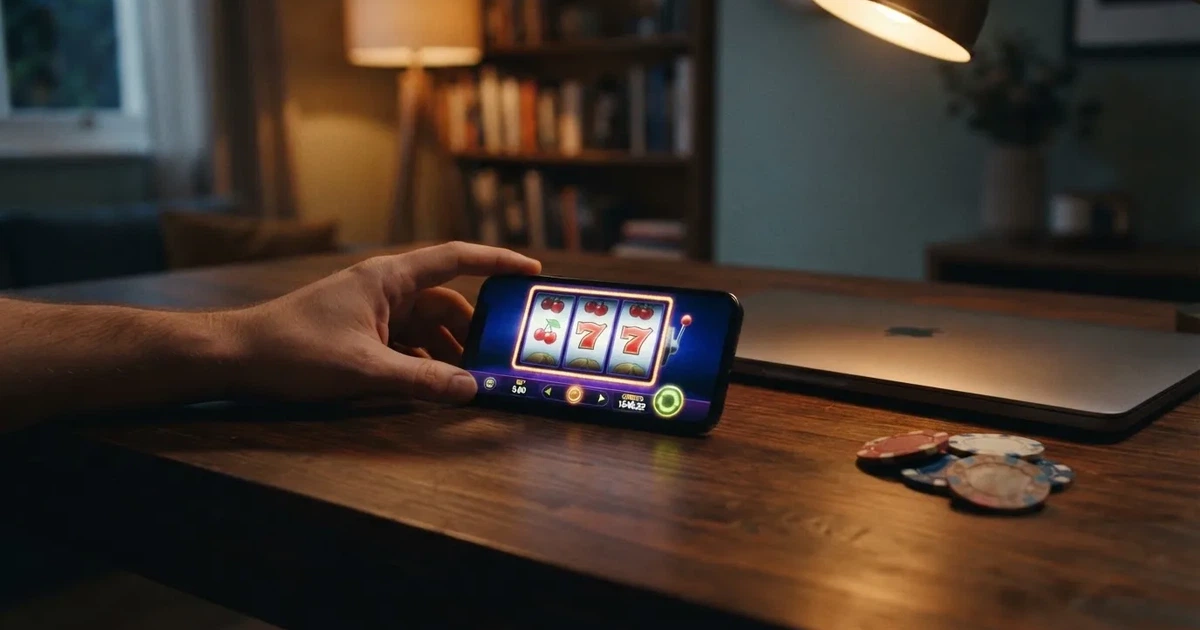
A reader typing “online pokies no deposit bonus australia 2026” is usually in one of two minds. Some want a free way to try a few spins without committing a deposit. Others have already clicked a banner and want to know whether what they saw is even on the right side of the line. Both readers deserve the same answer, and the answer is not the one the marketing carries. There is no Australian licence that lets an offshore casino offer online pokies with a no-deposit bonus to a person sitting in Australia. The free spins and the A$10 starter credits still arrive in the inbox; the licence does not.
Currency and licence claims checked against the ACMA public register as of 30 October 2026.
This page is written from the position the material supports, not as a tie. It treats the offer for what the offer is, walks the reader through every licence action the regulator has taken against the brands that push these offers in Australia, and lays out, in plain arithmetic, what a “free” bonus tends to cost once the wagering is finished. The point is not to wag a finger. It is to let the reader decide with the numbers in front of them, instead of with the headline in front of them.
Table of Contents
- Why no-deposit pokies bonuses aimed at Australians should be read as marketing, not as an offer
- The settlement claim, the payment claim, and the gap between them
- Brands the ACMA has formally warned over online pokies no-deposit bonus offers to Australians
- Where each brand stands, and what that means for the reader
- The legal prohibition Australians actually face, in plain terms
- What the offer really costs, in arithmetic
- The blocking-rate calculation: how fast the regulator has been closing the gap
- What the responsible-gaming shelf says, and who is on the other end of the line
- Settling the offer, the rail, and the gap
- What the page recommends, and to whom
- Frequently asked questions about online pokies no-deposit bonus offers aimed at Australians
Why no-deposit pokies bonuses aimed at Australians should be read as marketing, not as an offer
A no-deposit bonus is, on paper, the cleanest deal a casino can hand a new player. The casino credits a small amount of bonus cash or a bundle of free spins before the player has deposited anything, lets them play the games, and pays out whatever they win once the small print is satisfied. The marketing version runs without that last clause.

What the marketing version leaves out, consistently, is that every operator pushing a no-deposit pokies bonus to an Australian sits outside the Australian licensing system. The Interactive Gambling Act 2001, tightened by the Interactive Gambling Amendment Act 2017, makes it an offence to provide online casino games or online pokies to a person in Australia. No state or territory licenses them. The licensable products — wagering on races and sport placed before the event, lotteries, keno — sit with the Northern Territory Racing and Wagering Commission, which regulates 52 of Australia’s online bookmakers (Sportsbet, Bet365, Ladbrokes among them) and operates with no full-time staff, meeting once a month in Darwin. Pokies are not on that list.
The distinction matters because the marketing never quite says what the small print does. A “free A$10 + 50 spins” line on a banner is a single sentence; the wagering multiple behind it is a paragraph; the withdrawal cap is another paragraph; the rule that says bonus play cannot exceed a certain stake per spin is buried two scrolls further down. None of those terms are wrong, in the strict sense — they are the mechanism a no-deposit offer has always used. They are just the part nobody is in a hurry to read.
The page below is built around three questions. First, what shape does a no-deposit pokies bonus actually take, once the banner is stripped off? Second, who has been formally warned by the ACMA for pushing these offers to Australians, and what does the regulator’s record look like? Third, what does the offer cost a player who clears it to the end? Each section answers one of those questions, and they read in that order.
See also No-deposit free spins on online pokies.
The settlement claim, the payment claim, and the gap between them
Payment routes are the second pillar of any no-deposit bonus pitch aimed at Australians, and “PayID” appears in almost every variant of the search term: payid pokies australia no deposit bonus, instant payid pokies australia real money no deposit. PayID is real. It is the instant addressing layer that sits on top of Australia’s New Payments Platform, and an Osko transfer cleared through a PayID handle typically arrives in a receiving bank account within seconds, 24 hours a day. That part of the pitch is not invented. What is invented is the suggestion that PayID itself is a sign of legitimacy, or that an offshore casino routing a withdrawal through PayID has been checked by anybody.
Australian payment law runs through the same gate as the games themselves. Credit cards, credit-related products and digital currency have been banned as payment for licensed online wagering since 11 June 2024, with penalties of up to A$247,500 for operators that breach the rule. The legal deposit routes for a licensed Australian wagering service are debit card, bank transfer, PayID/Osko and BPAY. An offshore casino asking an Australian customer for a credit card or a crypto deposit is not running outside the marketing rules alone — it is running outside the payment rules that the regulator has the power to enforce. Once a withdrawal crosses from the offshore casino into an Australian PayID account, the funds arrive, and that is precisely where the consumer-protection story ends: there is no Australian complaints body, no local dispute resolution, no guarantee the balance on the page is the balance that gets paid out, and no recourse if it does not.
That is the practical meaning of the settlement claim. It is not that PayID is fake. It is that PayID is a payment rail, and a payment rail does not audit the operator that uses it. Three other notes sit in the same corner. The first is that a casino which blocks an Australian IP at sign-up will not, as a rule, block a PayID withdrawal to an Australian bank account; the marketing side is policed lightly, the payment side less so. The second is that the term “instant” in an instant-payid pokies offer refers to the rail, not to the operator — an offshore brand can still hold a withdrawal for days while it runs identity checks on a customer it never properly checked on the way in. The third is that credit-card-style chargeback rights, which an Australian consumer would normally have, do not flow through an offshore casino in the same shape; a customer whose withdrawal is delayed has, in practice, the operator’s own complaints process and not much else.
This is the shelf where the offer stops being “no deposit” and starts being “no protection”. The settlement claim is real; the protection claim is not.
Brands the ACMA has formally warned over online pokies no-deposit bonus offers to Australians
The page is a guide for choosing a site, not a seal of approval. Every brand below appears because the Australian Communications and Media Authority itself issued a formal warning over it for offering prohibited interactive gambling services to Australians — the exact services, online pokies with bonus offers included, that the search targets. The table is the regulator’s own list of who has been warned, in what month and year, and under which operating company. Reading it as a leaderboard reads it wrong. Reading it as the regulator’s own record reads it right.
| Brand | ACMA action and date | Operator named by the ACMA |
|---|---|---|
| RocketPlay | Formal warning, March 2026 (Pulsup Ltd); earlier warning to Dama N.V., May 2022 | Pulsup Ltd; Dama N.V. |
| Level Up Casino | Formal warning, May 2022 | Dama N.V. |
| Woo Casino | Formal warning, March 2025 | Dama N.V. |
| Spirit Casino | Formal warning, May 2025 | Dama N.V. |
| National Casino | Formal warning, July 2025 | Consolutetish S.R.L. |
| Bizzo Casino | Formal warning, July 2025 (Consolutetish S.R.L.); earlier warning to TechSolutions, 2022 | Consolutetish S.R.L.; TechSolutions (CY) Group Limited and TechSolutions Group N.V. |
| Ignition Casino | Formal warning, July 2025 | Bamboo Media |
| Instant Casino | Formal warning, February 2025 | EOD Code SRL |
| Jackbit | Formal warning, April 2026 (over Jackbit and CasinOK) | Ryker B.V. |
| Casino Intense | Formal warning, April 2025 | Sterplay Holding Ltd |
| Sky Crown | Formal warning under the Interactive Gambling Act 2001 (date as published by the ACMA, September 2022) | Hollycorn N.V. |
A note on the pattern. Four of the eleven brands — RocketPlay, Level Up, Woo and Spirit Casino — sit, or have sat, under operators linked back to Dama N.V. Two of the eleven — National and Bizzo — share Consolutetish S.R.L. as operator. The same licence shell reappears because the cost of registering a fresh Curaçao or Anjouan entity is small, and the cost of abandoning a warned entity is smaller; the ACMA’s record shows that what looks like a different casino to the reader is, often, the same corporate envelope the regulator has already written to. The warning does not close the site. It adds the operating company to the ACMA’s published register and, in many cases, leads to a fresh blocking request to Australian internet service providers on a later cycle. The cycle matters because it is what an Australian reader actually faces: a brand reappears under a new URL, the marketing language is unchanged, the licence shell is fresh, and the regulator’s record catches up a few months later. Across the warnings above, the ACMA’s named operators include entities registered in Curaçao, Cyprus and other jurisdictions that do not licence their operators to take Australian customers in the first place.
What none of the eleven brands above holds, by definition, is an Australian licence. The phrases a reader sees on a casino footer — “licensed and regulated by the Government of Curaçao”, “operating under a Kahnawake licence”, “authorised by the Anjouan Gaming Board” — are not Australian licences. They are licences issued by other jurisdictions that do not, themselves, extend consumer protection to a person sitting in Sydney or Perth. The ACMA’s record above is the regulator telling those operators, in formal correspondence, that they are providing prohibited services to Australians. A second warning means the operator kept providing them.
Where each brand stands, and what that means for the reader
A write-up of each brand on the ACMA’s list belongs on the page, not because any of them is a safe place to play, but because the page is what the reader came to find and a one-line verdict does the reader less than the regulator’s own record. The shelf below names what each operator is, what the ACMA’s warning covered, and what kind of reader — if any — the brand might still suit. None of them is suited to an Australian reader who values the consumer protection that comes with a locally licensed wagering service, because none of them offers it.
RocketPlay
The ACMA wrote formally to Pulsup Ltd over RocketPlay in March 2026; an earlier warning in May 2022 went to Dama N.V., the operator under which the brand sat at that time. The 2022 letter also named Bambet, Dazard, Level Up, Wild Tornado and Cobra Casinos, and the same Dama N.V. envelope later drew warnings over Woo and Spirit Casino. The site itself shows bonus headlines aimed at an Australian reader base — no-deposit starter offers, deposit-gated packages, free-spin bundles — none of which can lawfully be supplied to a person in Australia. For a reader who is not in Australia, the marketing is what it is. For a reader who is, the ACMA’s record on the operator is the most current fact about the brand.
Level Up Casino
Level Up sits under the Dama N.V. shell, and the ACMA’s May 2022 warning covered Level Up alongside Bambet, Dazard, RocketPlay, Wild Tornado and Cobra Casinos. The brand lists games from BGaming among its providers — a developer commonly named on BGaming’s own distribution listings — but that tells the reader what software the site runs, not who regulates it. There is no Australian licence. The verdict, plainly: a brand the ACMA has named in a formal warning is not a brand that exists in an Australian reader’s interest, whatever the marketing banner says.
Woo Casino
Woo’s formal warning came in March 2025, again under Dama N.V. The pattern is the one already named: an operator under repeated regulator attention, a fresh banner, the same offer structure aimed at the same readers. A brand that has been warned twice within the space of a few years — once over Level Up and its sister sites in 2022, then over Woo in 2025 — is a brand whose operator knows what the regulator has said and has chosen to keep marketing in the same direction. The reader’s task is not to find the loophole in the marketing; it is to read the regulator’s record for what it is.
Spirit Casino
Spirit Casino’s warning is also May 2025, also Dama N.V. The two 2025 letters to the same operator — Woo in March, Spirit in May — are the ACMA signalling that the warnings will keep arriving while the marketing keeps running. For a reader who has already opened an account and is weighing whether to deposit, the warning’s existence is the answer.
National Casino
Consolutetish S.R.L. took the July 2025 warning. National Casino is the brand that appears in Wikipedia’s gaming-industry coverage as one of the better-known examples of an offshore operator with a Curaçao registration. The Wikipedia listing is a description of the brand, not a vetting of it; the ACMA’s warning is the regulator’s own conclusion that the operator is providing prohibited services to Australians. The two facts sit together. Neither contradicts the other; they describe different things.
Bizzo Casino
Bizzo’s name appears twice in the ACMA’s record. The first warning, in 2022, named TechSolutions (CY) Group Limited and TechSolutions Group N.V.; the second, in July 2025, named Consolutetish S.R.L. Two operators, one brand, the same offer structure aimed at Australian readers. The brand has been on the regulator’s record for the larger part of three years.
Ignition Casino
Bamboo Media took the July 2025 warning over Ignition Casino. The brand has historically been positioned toward poker and casino games aimed at an international audience, including Australia. The warning sits alongside the others: the regulator’s own record, the operator named, the offer structure aimed at the same readers.
Instant Casino
EOD Code SRL was warned in February 2025. Instant Casino is one of the more recent entrants in the offshore casino space and has been the subject of marketing across the affiliate sites targeting “instant payid pokies” search terms — a phrase the page treats as a marketing construction rather than as a payment product. The brand’s marketing leans on the same payment-rail claim as its peers: PayID on the way out, no licence on the way in.
Jackbit
Ryker B.V. was warned in April 2026 over Jackbit and CasinOK in the same letter. The two-brand warning is a useful signal: when the ACMA names two brands in one letter, it is signalling that the operator’s portfolio, not just one of its skins, has been looked at. For the reader, that is information about the marketing surface, not about any single URL.
Casino Intense
Sterplay Holding Ltd took the April 2025 warning. The brand appears alongside ABC News coverage of pokies policy and Crown Melbourne’s table-game offering in the research record — both background mentions that describe the market Casino Intense is marketing into, not endorsements of the operator. The warning is the regulator’s record; the ABC and Crown references are the market the operator is trying to reach.
Sky Crown
Hollycorn N.V. was warned over its Sky Crown and Blue Leo casino services; the formal warning document is dated September 2022. Hollycorn is one of the longer-running white-label operators in the offshore space and runs a portfolio of brands under the same licence shell. The September 2022 letter is older than the others in the table, which means Sky Crown has sat on the ACMA’s record for the longest stretch of any brand here. A four-year-old warning is still current law.
The shelf closes where it opened. None of the eleven brands is the right answer to “where should an Australian play online pokies with a no-deposit bonus”, because none of them is licensed in Australia to offer online pokies at all. A reader looking for a wagering product they can lawfully use in Australia has the licensed bookmakers — Sportsbet, Bet365, Ladbrokes and the other 49 on the Northern Territory register — for racing and sport, and the state-regulated lottery and keno products for the rest. None of those offer online pokies. That gap is the gap the offshore marketing fills, and the gap is the gap the ACMA is closing, in real time, with the warnings above.
The legal prohibition Australians actually face, in plain terms
The Interactive Gambling Act 2001, as amended by the Interactive Gambling Amendment Act 2017, makes the provision of online casino games, online pokies or in-play betting to a person physically in Australia a contravention of the Act. The “person physically in Australia” framing matters: an Australian passport is not the test, an Australian IP address is not the test, an Australian bank account is not the test — the test is where the player is when they click. What is licensable is wagering on races and sport placed before the event, lotteries and keno. The Northern Territory Racing and Wagering Commission holds 52 of those online wagering licences, including the largest names in Australian online betting; poker machines, online or otherwise, are not in its portfolio.
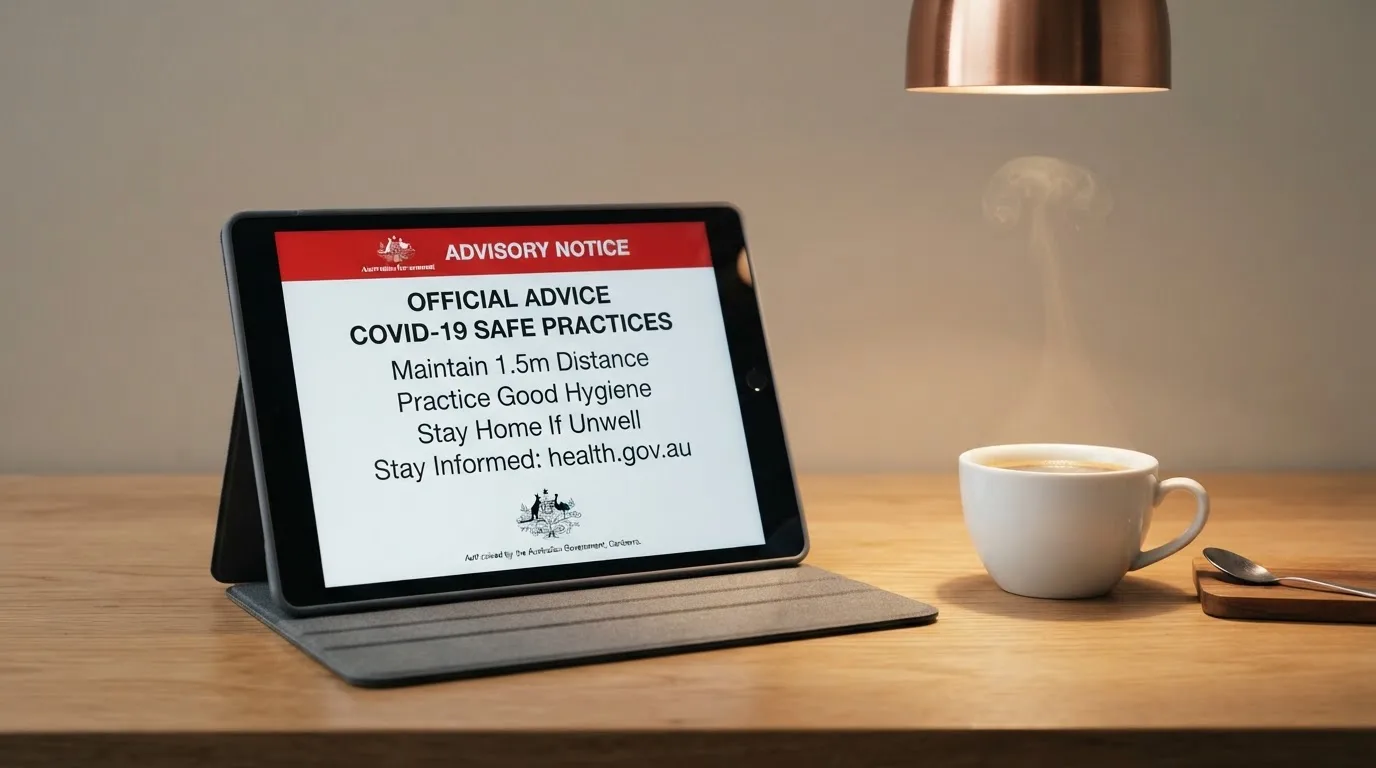
The Act targets the provider, not the player. An Australian who opens an account at an offshore casino does not commit an offence by doing so. The casino commits an offence by offering the product to them. That distinction matters to the reader because it changes the shape of the risk. The risk is not prosecution. The risk is that the operator can vanish, can refuse a withdrawal, can block the site while a balance is still on it, and the player has no Australian body to complain to. It is also that the regulator can ask Australian internet service providers to block the site — which means the brand’s URL can stop resolving from inside Australia, even with money sitting in an account the player cannot reach.
The enforcement record is the regulator’s own, and it is the one the page leans on. As of the round reported in June 2026, the ACMA had directed Australian internet service providers to block 1,751 illegal gambling and affiliate marketing websites since the first blocking request in November 2019. More than 230 unlicensed gambling services had left the Australian market entirely since enforcement was strengthened in 2017. The June 2026 round added a further twelve: 7Signs, ChromaBet, Donbet, Duospin, Freshbet, Slots Gem, Jacks Club, Lucky Start, Pointsbetz, Spinrise, Vinyl Casino and Wildsino. The running total tells the reader something the marketing cannot. The regulator has been winning the count for seven years. The brand the reader is about to sign up with may not be on the list today, but the pattern is that the regulator gets to it.
The 2026 reform picture sits on top of that record. The Interactive Gambling Amendment (Gambling Reform) Bill 2026 passed Parliament on 19 August 2026; its advertising and inducement measures commence on 1 January 2027. That is law with a start date, not yet in force at the time of writing, but a reader signing up today should know what is coming: the marketing layer that delivers the no-deposit offer to an Australian inbox is the layer the new provisions target. The brand in their bookmarks is the brand the next round of compliance letters is most likely to name.
Payment rules sit alongside the games rules. Credit cards, credit-related products and digital currency are banned as payment for licensed online wagering since 11 June 2024, with penalties up to A$247,500 for operators that breach the rule. Legal deposit routes for a licensed wagering service are debit card, bank transfer, PayID/Osko and BPAY. An offshore casino asking an Australian for a credit card or a crypto deposit is not just offering a prohibited game — it is asking for a payment the regulator has specifically closed off. The reader who notices that prompt at the cashier is looking at the clearest single signal that the site is operating outside Australian rules.
Tax is the part most readers do not ask about. Gambling winnings of a recreational player are not assessable income under section 6-5 of the Income Tax Assessment Act 1997, and losses are not deductible — unless the person carries on a business of gambling, which the ATO has historically read narrowly. A “model only” disclaimer is appropriate here: the rule is the rule, and a reader with a serious tax question is talking to the ATO or to a registered tax agent, not to a casino review page.
No-deposit pokies bonuses aimed at Australians in 2026 — More on this topic at casino mobile au.
What the offer really costs, in arithmetic
A no-deposit bonus is a small thing — twenty free spins, an A$10 chip, sometimes both — and the marketing treats it as the casino’s gift to the player. The terms treat it as the casino’s first lesson in the wagering requirement.
The arithmetic behind the lesson is plain. Suppose a casino credits a player A$10 in bonus funds with a 50× wagering requirement. The required turnover is A$10 × 50 = A$500. Suppose further that the bonus can only be played on pokies at a maximum stake of A$1 per spin. The number of spins required is A$500 ÷ A$1 = 500 spins. At a five-second interval per spin — a fair average for an online pokie — that is 500 × 5 = 2,500 seconds, or roughly 42 minutes of continuous play. The expected loss over those 500 spins, at a typical online pokie return-to-player of around 96%, is A$500 × (1 − 0.96) = A$20. That is the offer’s real cost to the player who clears it.
The numbers are a band, not a single point, because every term in the calculation is variable. The wagering multiple moves: 30×, 40× and 50× are the ordinary range for a no-deposit bonus, and anything above 60× sits at the steep end. The maximum stake per spin moves with it: A$0.50 to A$2.50 covers most terms. The RTP moves with the game: a 94% pokies game has a higher house edge than a 96.5% one, and the same A$500 turnover costs more on the first than on the second. What does not move is the shape of the calculation. Required turnover equals bonus times wagering multiple. Number of spins equals turnover divided by stake per spin. Time equals spins times interval. Expected loss equals turnover times one minus RTP. The four lines do not negotiate.
The reader should hold three things in mind when reading the small print. The first is that wagering applies to the bonus, to the deposit that comes with it on a deposit-gated offer, or to bonus plus deposit — and the worst of those three is the last. The second is that there is almost always a maximum cash-out clause on a no-deposit offer — a cap of A$50, A$100 or A$200 on winnings the player can withdraw, even after clearing the wagering. The third is that not every game counts the same toward the wagering requirement. Pokies usually count 100%; table games often count 10% or zero. The “free A$10” the player took on a pokies banner is, in practice, the only envelope that cash is allowed to move through.
The point of the arithmetic is not to frighten the reader. It is to put a number on a thing the marketing leaves as a feeling. A no-deposit offer can be worth taking if the reader is comfortable with the time it takes to clear, the maximum cash-out cap they will be locked to, and the expected loss they are accepting in exchange. The reader who does not have those three numbers in front of them is not deciding whether to take the offer; they are deciding whether to take a different offer than the one on the page.
The blocking-rate calculation: how fast the regulator has been closing the gap
The ACMA’s record carries a number that does its own work. As of the round reported in June 2026, 1,751 illegal gambling and affiliate marketing websites had been blocked since the first blocking request in November 2019. That is a little over six and a half years of blocking — 79 months from November 2019 to June 2026. The blocking rate is 1,751 ÷ 79 = 22.2 sites blocked per month, on average, across the whole period of enforcement.
That is the average. The trend is not flat. The June 2026 round alone added twelve more sites. Across a 12-month window the rate is higher; across the first two years of enforcement, lower. The honest reading is a band, not a single figure: the regulator has been directing blocks at a pace measured in tens of sites per month in recent rounds, with the long-run average around twenty-two. Either reading points to the same conclusion. An offshore brand that has not yet been warned is, statistically, a brand the ACMA has not got to yet — and at the current pace, the regulator is closer to a given brand than the marketing suggests.
The blocking rate is also what the reader cannot see. A blocked URL does not email the player to tell them their balance is locked. A re-registered brand under a new name does not carry the warning on its banner. The pace the regulator runs at and the pace the marketing keeps up are the same number, in opposite directions. The reader who cares about the gap closes it by reading the ACMA’s record before the marketing’s record, not after.
What the responsible-gaming shelf says, and who is on the other end of the line
The reader who is here for a free-spin offer is one person. The reader who is here because the free-spin offer is the third they have clicked this week is a different person, and the page is written for them too. The two readers are not separable by anything visible in the search box. The shelf below is for both.
Australia’s licensed wagering services must honour BetStop, the National Self-Exclusion Register, which went live in August 2023. The binding is one-way: BetStop blocks the player from the licensed services that are signed up to it; an offshore casino is not signed up to it. That is the limit of what BetStop can do for a reader in the situation this page describes. It will close the player out of Sportsbet, Bet365 and Ladbrokes; it will not close the player out of any of the eleven brands on the ACMA’s warning list. Self-exclusion is therefore a stronger protection for the reader who moves their play onto a licensed wagering service than for the reader who does not.
The National Gambling Helpline is 1800 858 858, free, 24 hours a day, with chat at Gambling Help Online. The page says this once, plainly, because it should be said. The reader who needs the number does not need a paragraph around it.
The page does not moralise. Gambling harm in Australia is a real and well-documented cost, and the A$12.18 billion Australians lost on gaming machines in 2020–21 sits alongside the almost A$150 billion they wagered through them. Australia’s share of the world’s pub and club poker machines is about 3%, against roughly 0.3% of the world’s population. Those numbers come from public record and they are the numbers the regulator, the helpline and the player’s own bank manager are all looking at, in different ways, every day. The responsible-gaming shelf does not soften them and it does not editorialize on them. It states the support, the register and the cost, in that order.
Settling the offer, the rail, and the gap
A reader who has already clicked through to one of the eleven brands above, who has already played the no-deposit offer, and who has cleared the wagering requirement is now on the page the marketing talks about least: the cashier.
Settlement times claimed by the offshore brands run from “instant” to “24 hours” to “1–3 business days”. PayID and Osko, the instant-payment rails on Australia’s New Payments Platform, do settle within seconds on the Australian end of the transaction — that part of the claim is true. What is also true is that the operator sits on the other side of that settlement, and the operator’s own withdrawal queue runs on the operator’s own clock. Identity checks that were not run at sign-up get run at withdrawal. Source-of-funds questions that were not asked at deposit get asked at cashout. A PayID handle that resolves in seconds to an Australian bank account does not shorten the operator’s internal queue. The reader who has read “instant PayID” as a promise about the operator has read it wrong. The reader who has read “instant PayID” as a description of the rail has read it right.
The other side of the gap is the consumer protection that does not exist. An Australian-licensed wagering service is bound by dispute resolution and by the regulator’s complaints process. An offshore casino is bound by its own terms and conditions, and the terms and conditions are the document the player agreed to at sign-up. A player whose withdrawal is refused can in principle complain to the licence issuer in Curaçao, in Anjouan, in Kahnawake — but that is a complaint to a foreign regulator about an Australian player, and the answer, in most cases, is that the matter sits outside the foreign regulator’s reach. A player whose offshore casino simply disappears — the brand re-registered under a new name, the URL re-routed, the balance unpaid — has no body to complain to at all.
This is the shelf the page closes on, because it is the shelf the marketing closes on first. The marketing never quite says what happens after the wagering requirement is cleared. The arithmetic above says what it costs in time and in expected loss. The settlement claim says what the rail can do. The protection claim is the part that is not there.
What the page recommends, and to whom
The page’s position, having read the regulator’s record and the arithmetic, is the position the material supports. It is not a recommendation to play at any of the eleven brands on the ACMA’s warning list — none of them holds an Australian licence to offer the product they are marketing. It is a recommendation to read the regulator’s record before the marketing’s record, and to weigh the arithmetic above against the headline below it.
For an Australian reader looking for a betting product they can lawfully use, the licensed wagering services on the Northern Territory register — racing and sport before the event, lotteries, keno — are the products that exist. Online pokies is not one of them. The gap is the gap the offshore marketing fills. The reader’s task, before the gap closes around them, is to know which side of it they are on.
For a reader outside Australia reading this page, the ACMA’s warnings apply to Australian customers, not to them, and the licensed wagering services in their own jurisdiction are the comparator. The arithmetic above is portable. The regulator’s record is not.
For a reader who has already opened an account at one of the eleven brands, the practical advice is shorter. The brand is on the ACMA’s record. The balance on the page is at the operator’s discretion. The withdrawal terms are the document the reader signed. The regulator has not, in this round, blocked the URL; the next round may.
For a reader who finds themselves returning to no-deposit offers across multiple offshore brands, the helpline above is the right next step, before the next bonus banner is. The marketing does not slow down because the reader is. The regulator does not catch up to one player; it catches up to a market. The gap the reader is sitting in is the gap the page is trying to describe, and the description is the first step toward getting out of it.
Frequently asked questions about online pokies no-deposit bonus offers aimed at Australians
How much is a typical online pokies no-deposit bonus actually worth, in real terms?
The credit on the page — twenty free spins or an A$10 chip — is the headline. The cost is in the wagering requirement that sits behind it, the maximum cash-out cap on winnings, and the expected loss the player accepts over the spins it takes to clear. A 50× requirement on A$10 is A$500 of turnover; at A$1 per spin, that is 500 spins, or roughly 42 minutes of continuous play. At a 96% RTP, the expected loss is A$20. The bonus’s real cost is the A$20 — and that is before the cash-out cap is applied.
Does a PayID no-deposit pokies bonus differ from a standard no-deposit one apart from the deposit method mentioned?
PayID and Osko are instant-payment rails on Australia’s New Payments Platform; a transfer cleared through a PayID handle typically reaches an Australian bank account within seconds. The rail is real. What it does not do is audit the operator using it. A no-deposit bonus marketed as “instant PayID” is, in mechanism, the same offer as a standard no-deposit one — same wagering requirement, same maximum cash-out cap, same offshore operator without an Australian licence. The PayID part is the rail on the way out, not the regulator on the way in.
Is claiming a no-deposit pokies bonus from an offshore operator something Australians can lawfully do?
The Interactive Gambling Act 2001, as amended in 2017, makes it an offence to provide online casino games or online pokies to a person in Australia; no state or territory licenses them. The Act targets the provider, not the player — an Australian who signs up does not commit an offence — but the offshore operator has no Australian licence, no Australian complaints body, and no obligation to pay a withdrawal the operator does not want to pay. The regulator can also direct Australian internet service providers to block the site, which can leave a balance on the account the player cannot access.
What playthrough condition usually applies before winnings from a no-deposit pokies bonus can be withdrawn?
Wagering requirements on no-deposit offers run in the 30×–60× range of the bonus amount, with 50× as an ordinary midpoint. The maximum stake per spin is typically capped — A$0.50 to A$2.50 — and not every game counts the same toward the requirement. Pokies usually count 100%; table games often count 10% or zero. The bonus’s own terms are the binding document, and the cash-out cap is the ceiling on whatever the wagering clears.
Why do “instant payid pokies no deposit” pages so often repeat the same handful of terms?
Because the offshore brands share a small set of licence shells and a small set of marketing constructions. The same dozen or so terms — “instant PayID”, “free spins no deposit”, “A$10 no deposit bonus” — reappear across affiliate pages because the affiliate pages reappear across the same brands. The repetition is a sign that the marketing has converged, not a sign that the offer has improved.
What is the practical cap on how much can be withdrawn from a no-deposit pokies bonus win?
A maximum cash-out clause is the standard cap, and the figure varies — A$50, A$100, A$200 are common figures. Anything above the cap, after the wagering is cleared, is forfeited under the bonus terms. The cap is the ceiling the marketing does not lead with; it is the ceiling the small print enforces.